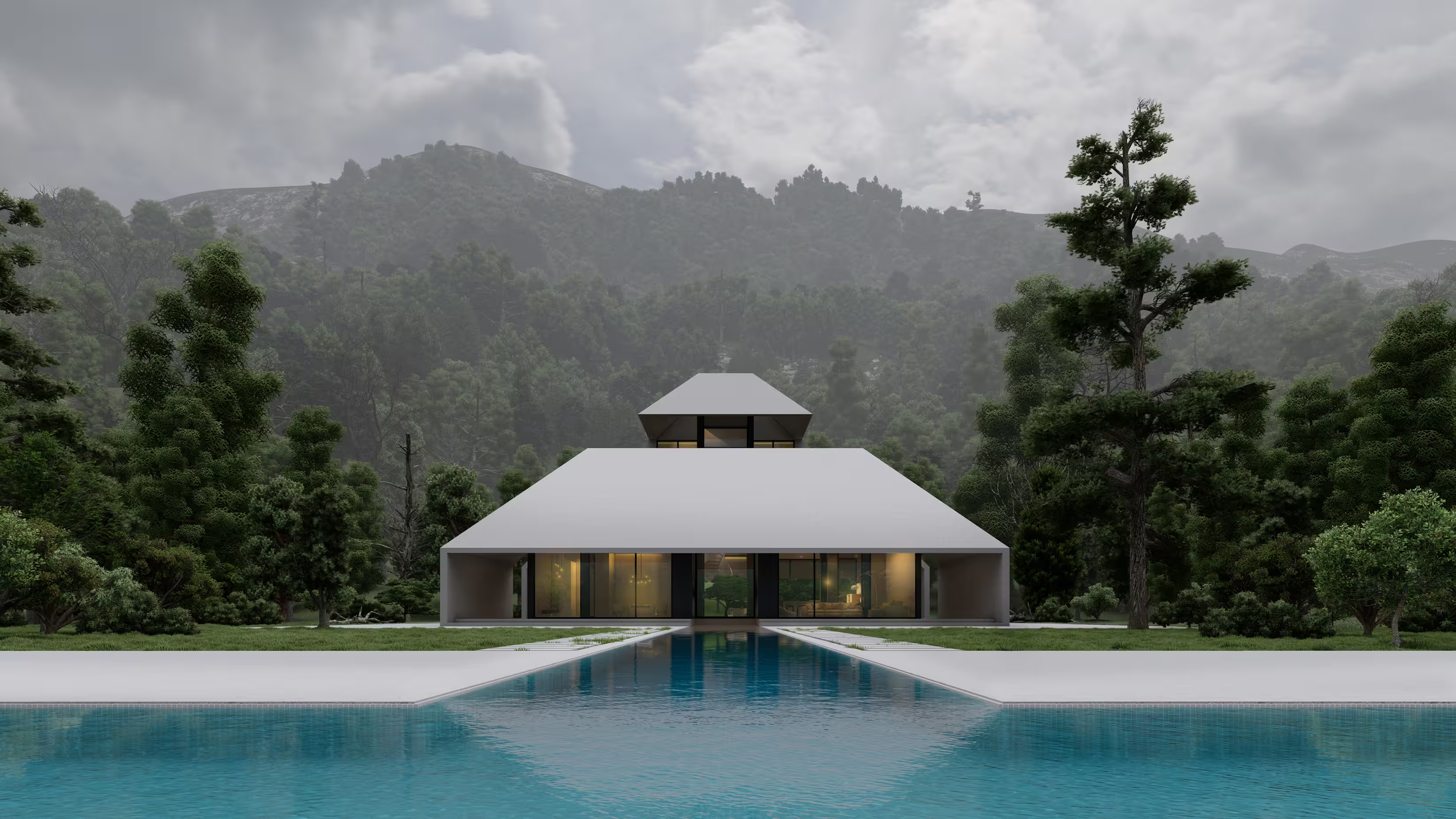
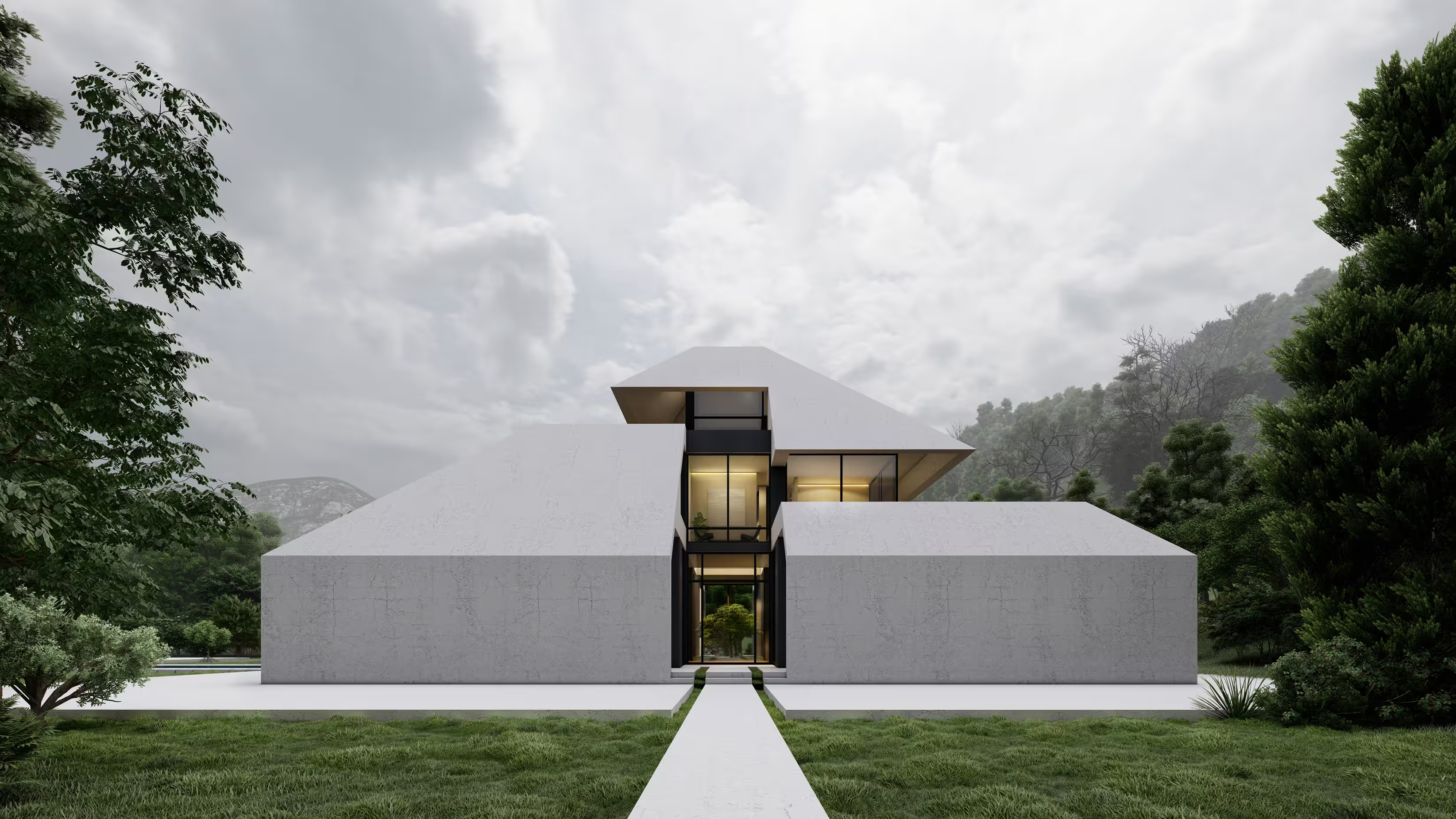
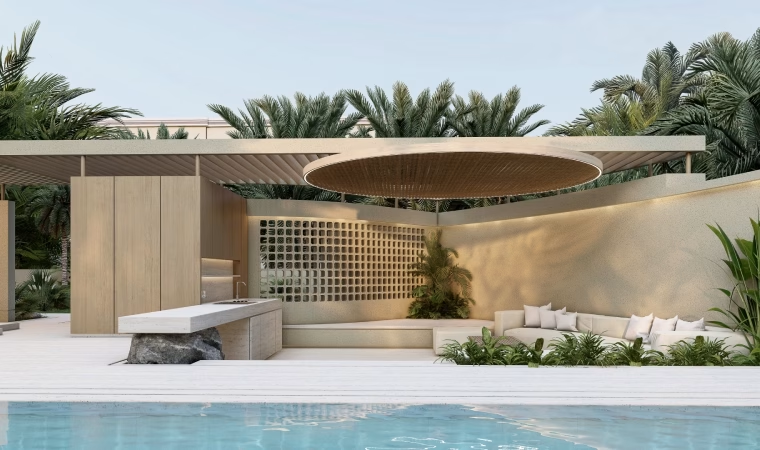
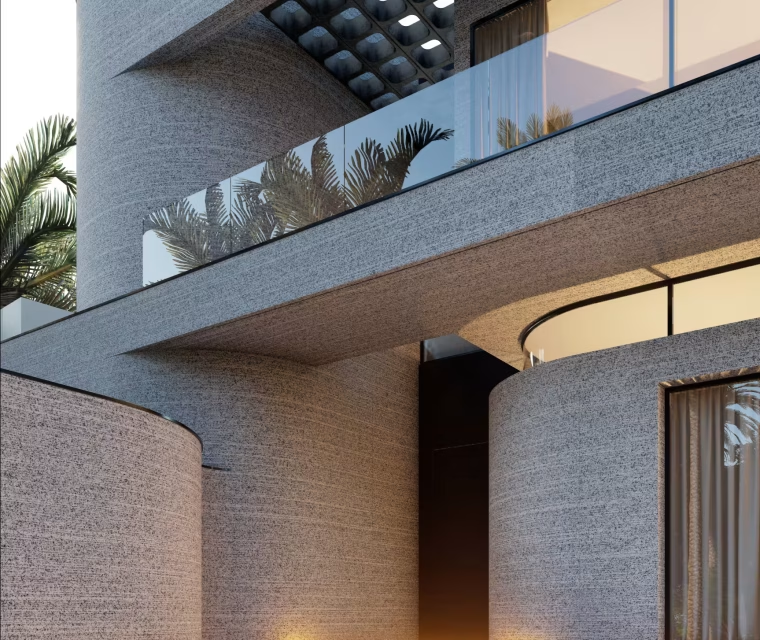
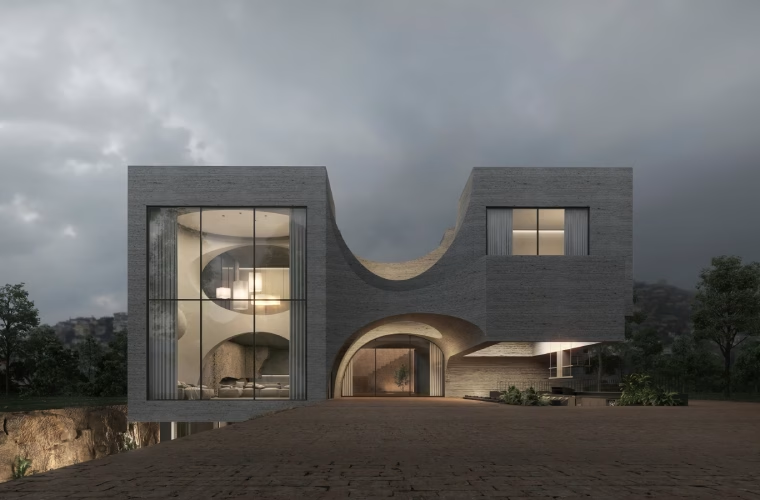
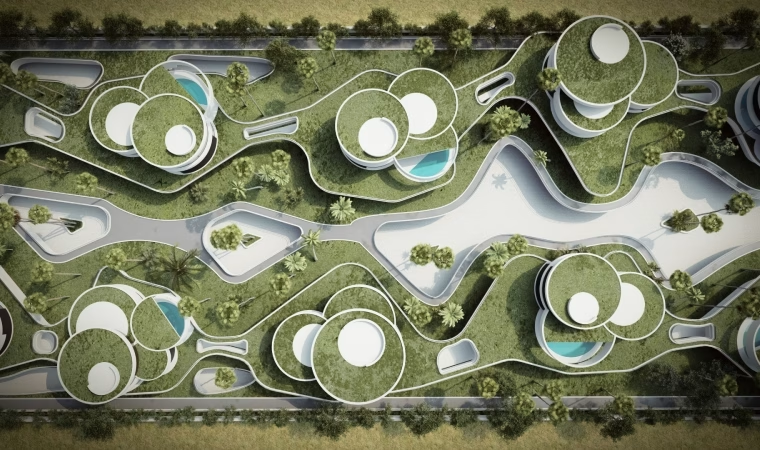
Gilak, nestled in the heart of Amlash, is not just a building but a Living Entity—self-sustaining and self-organizing—rooted deeply in the historical fabric of Gilani architecture.
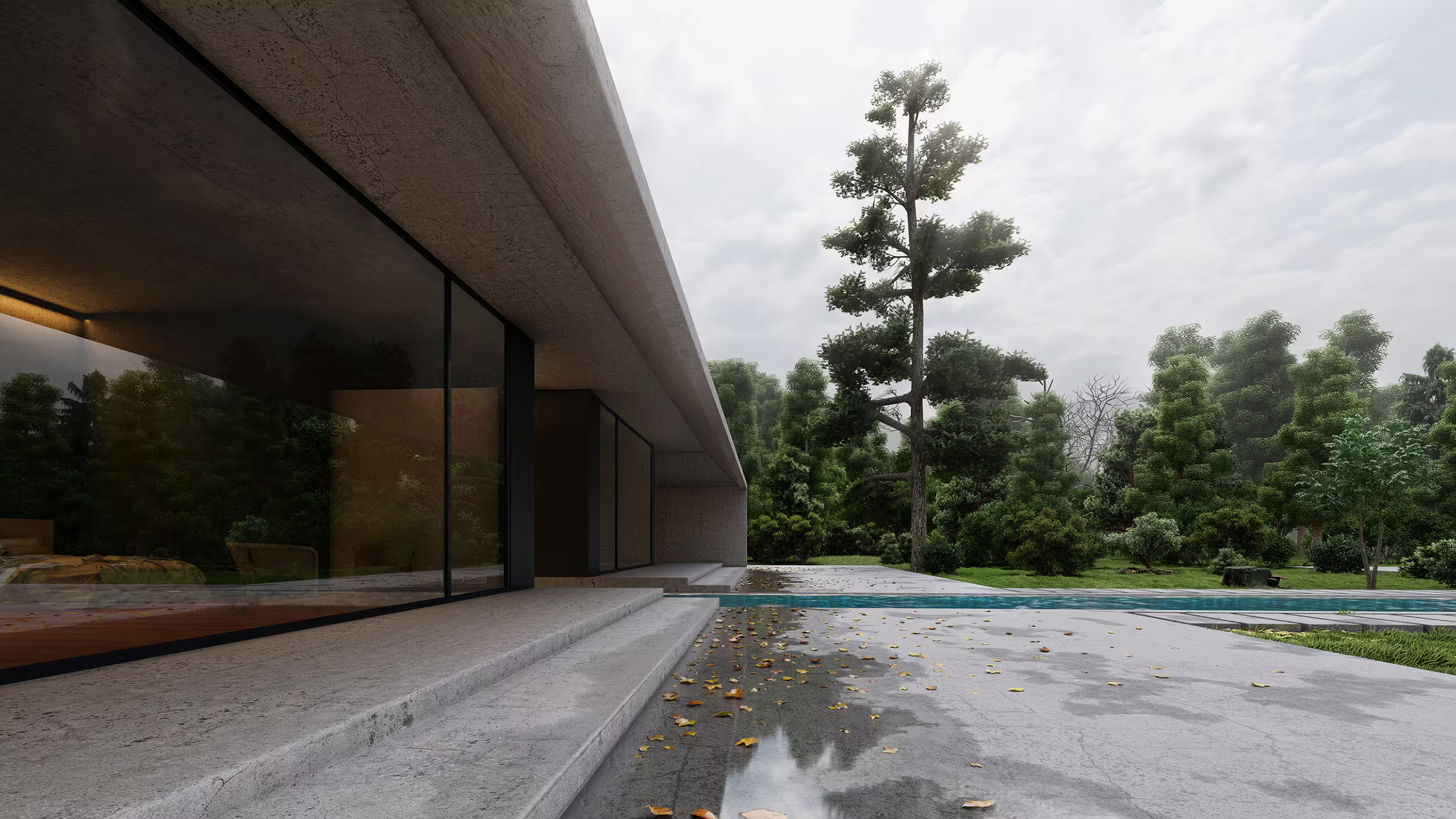
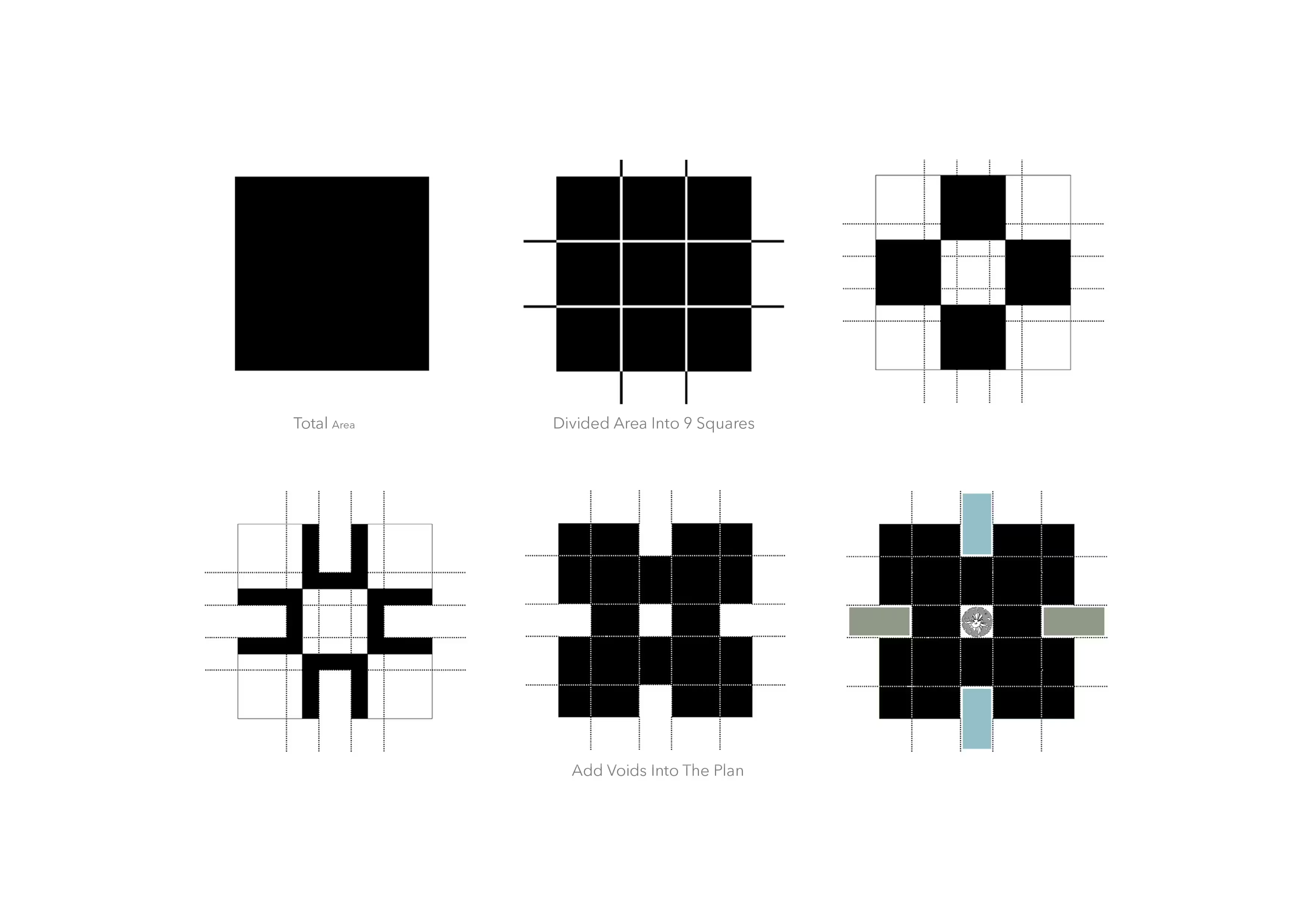
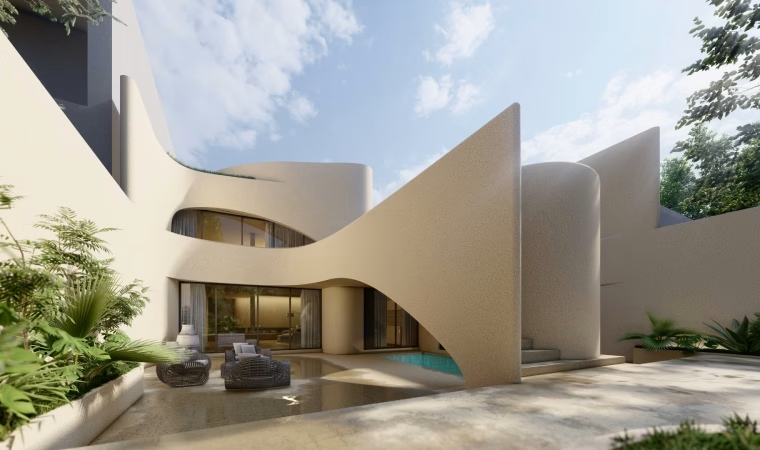
This dynamic structure is shaped by the well-known 9-Square Grid Method, a geometric framework inspired by traditional Four-Iwan layout found in Persian architecture and Persian carpet patterns. It brings forth an inner harmony of symmetry, ventilation, and spatial order. This geometry forms the building’s hidden skeleton—the very system that enables self-organization and adaptive growth. Openings, overhanging eaves, and peripheral volumes evoke Iwans and Gholamgardesh, the open and semi-open spaces in traditional Gilani rural houses.
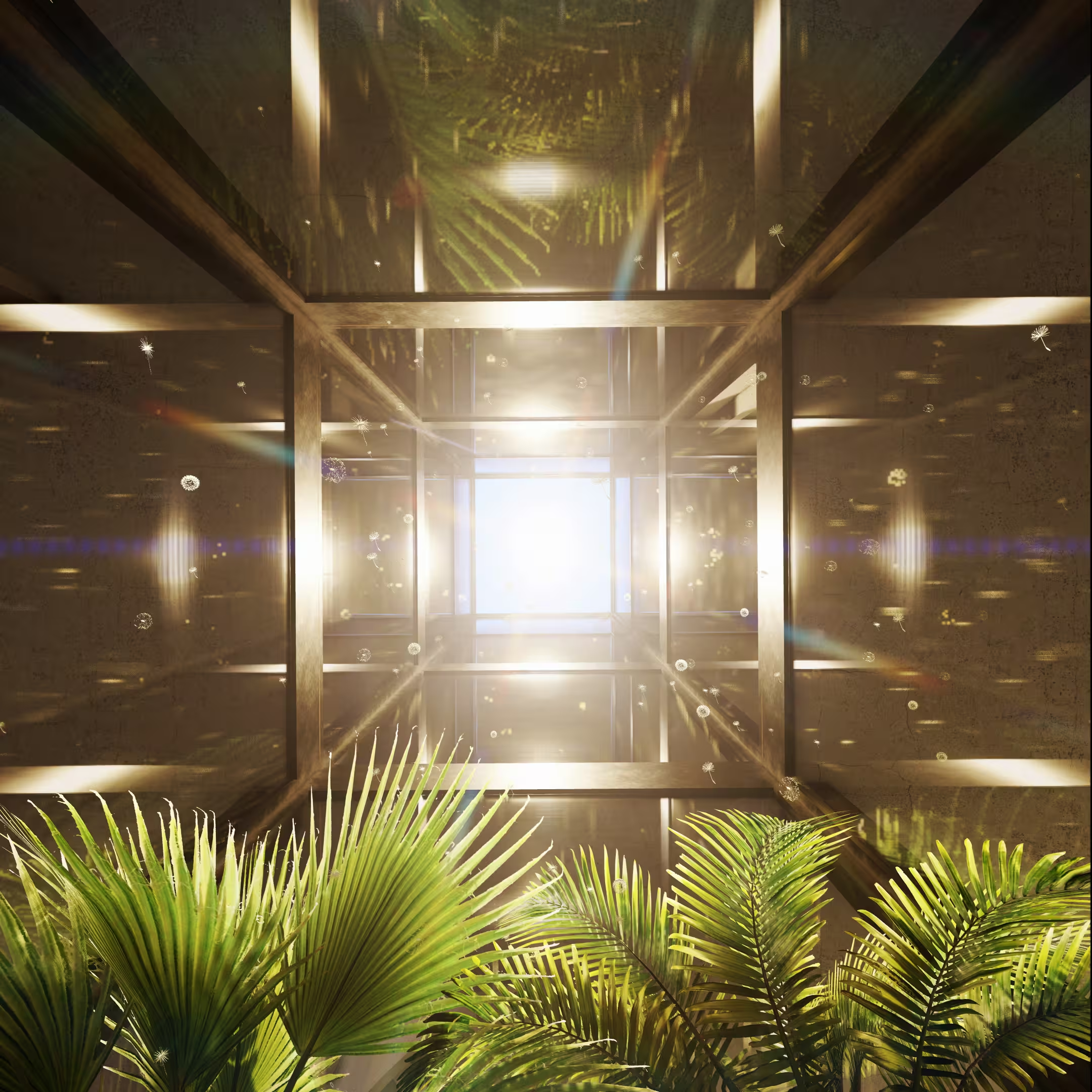
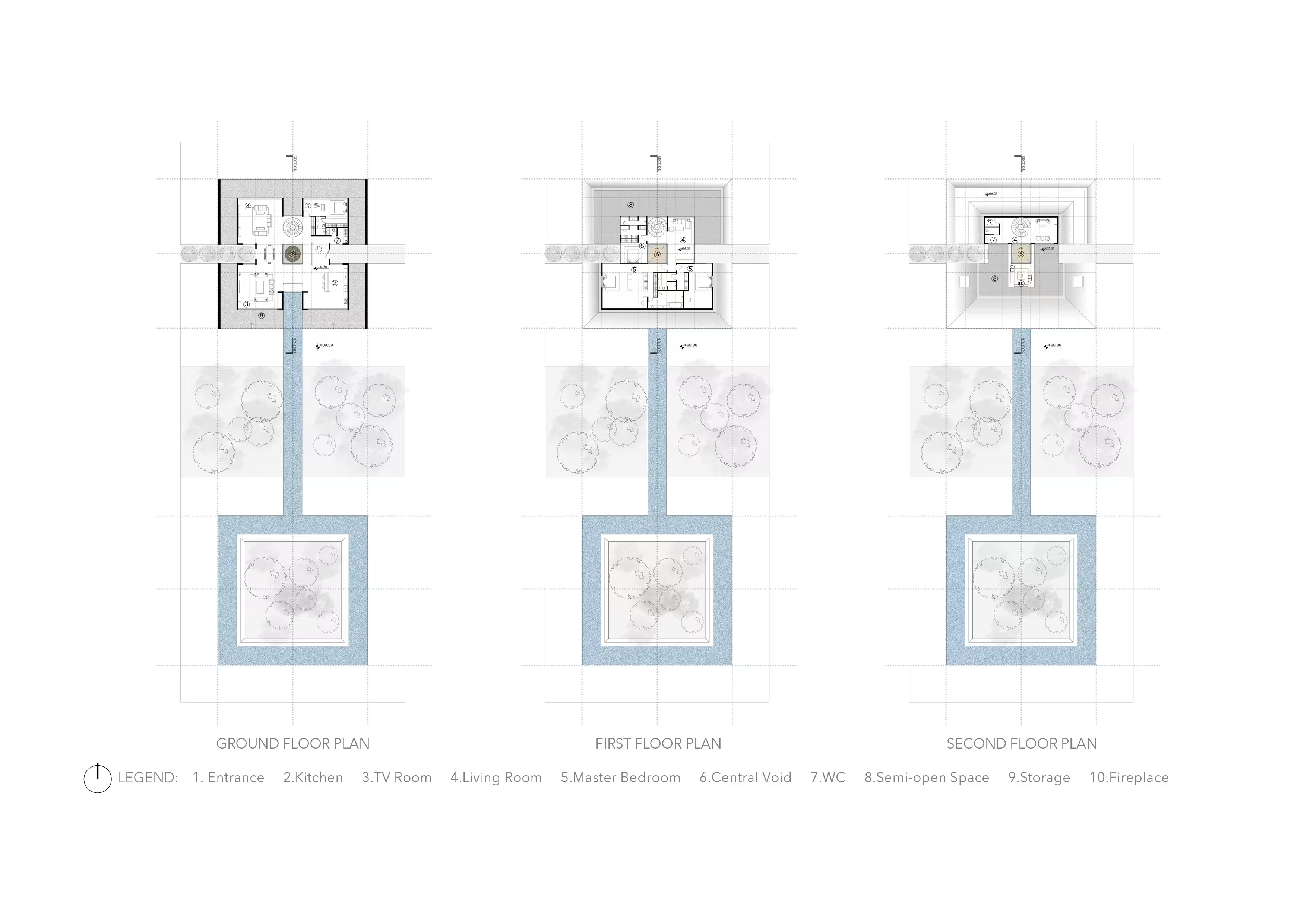
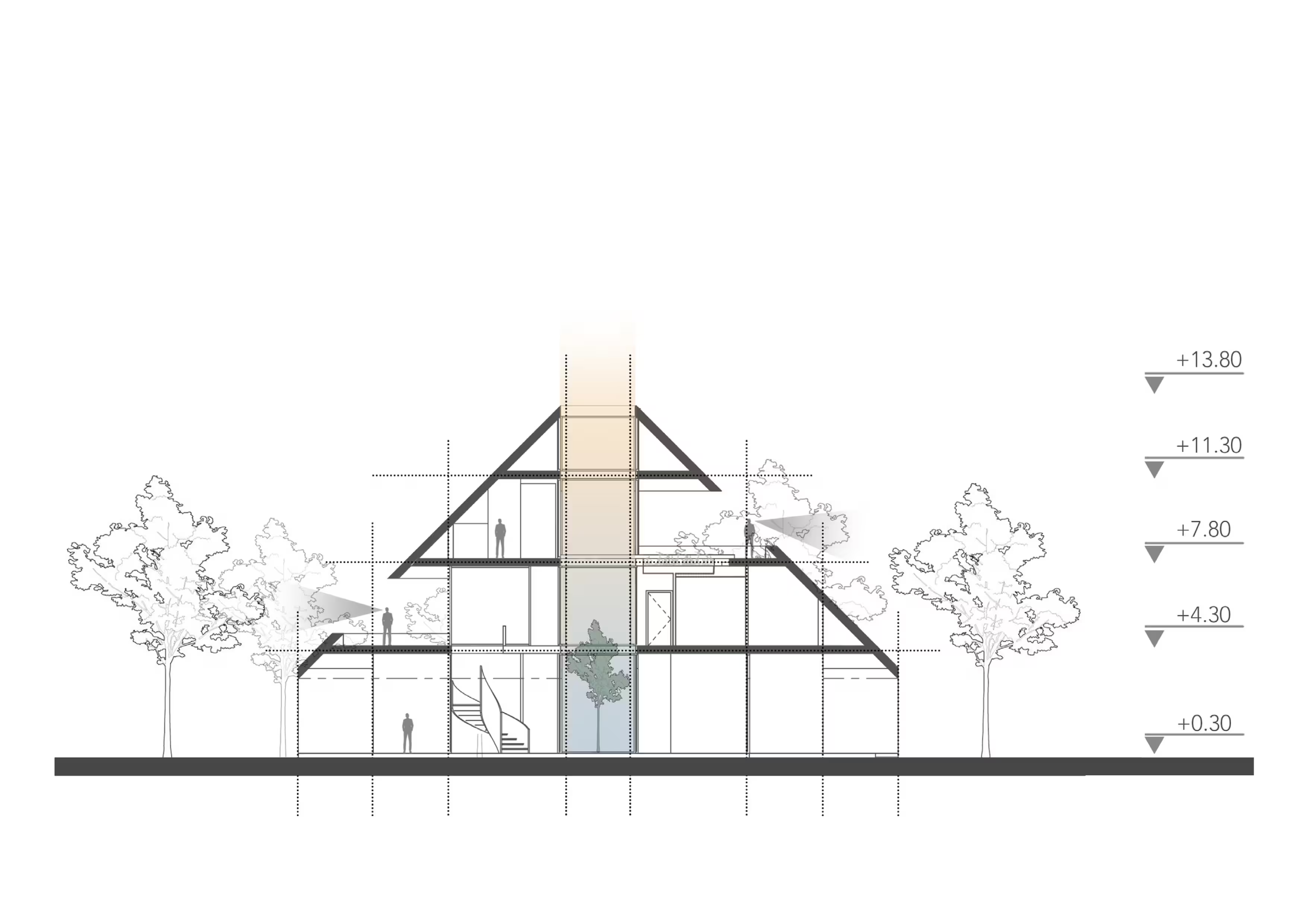
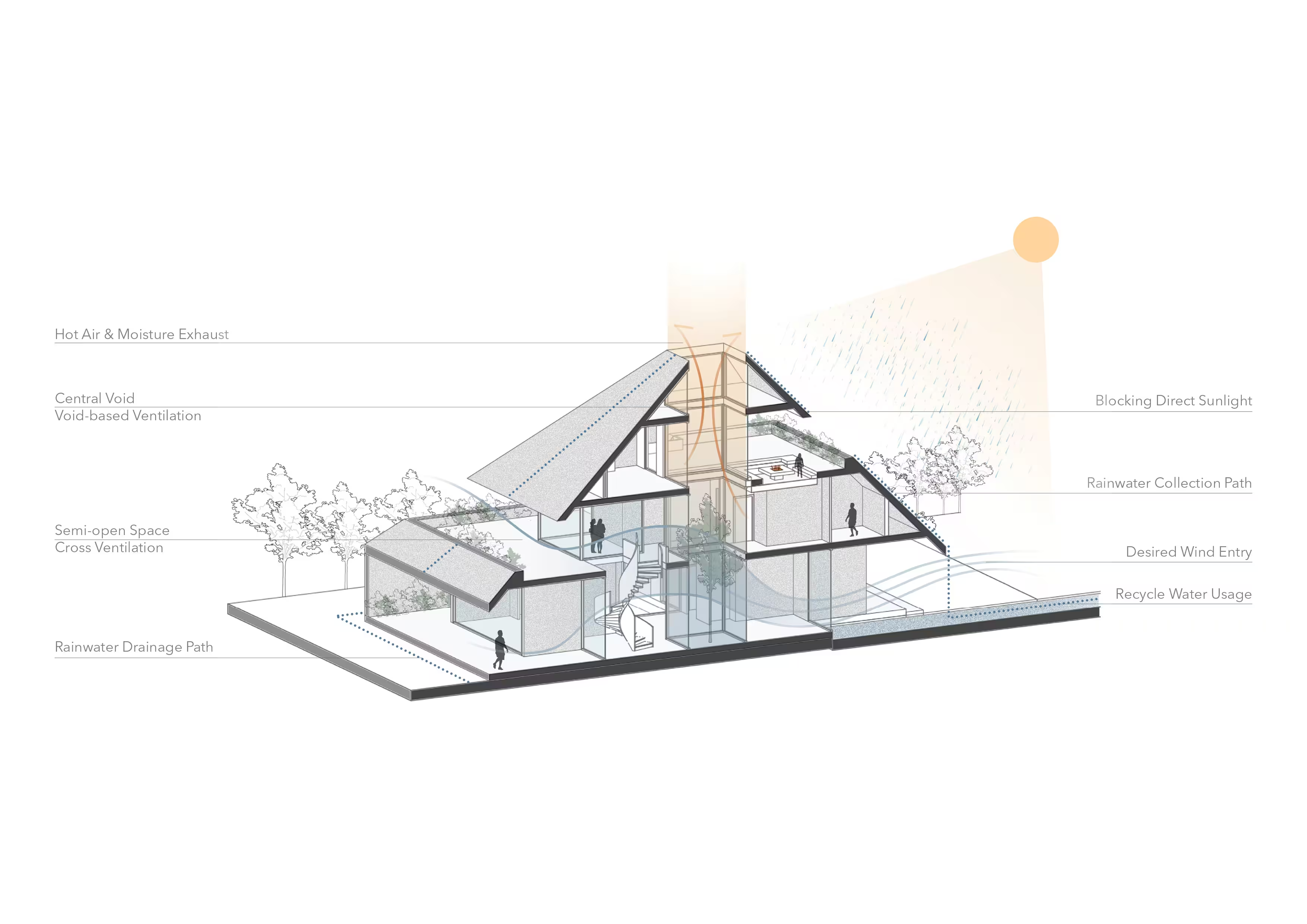
At the center of this grid lies a Central Void, the beating heart of air circulation. This transparent vertical cavity, with openings at height, generates negative pressure that draws air upward and channels moisture out like a chimney, releasing it into the sky.
Openings aligned with the prevailing winds interact with this central void to shape the breathing field of the building. As in the traditional homes of Gilan, where form invites air from one direction and releases it from another, the spatial configuration here encourages natural cross-ventilation. Cool breezes enter through openings, while warm, moist air exits via other ones and through the central void.
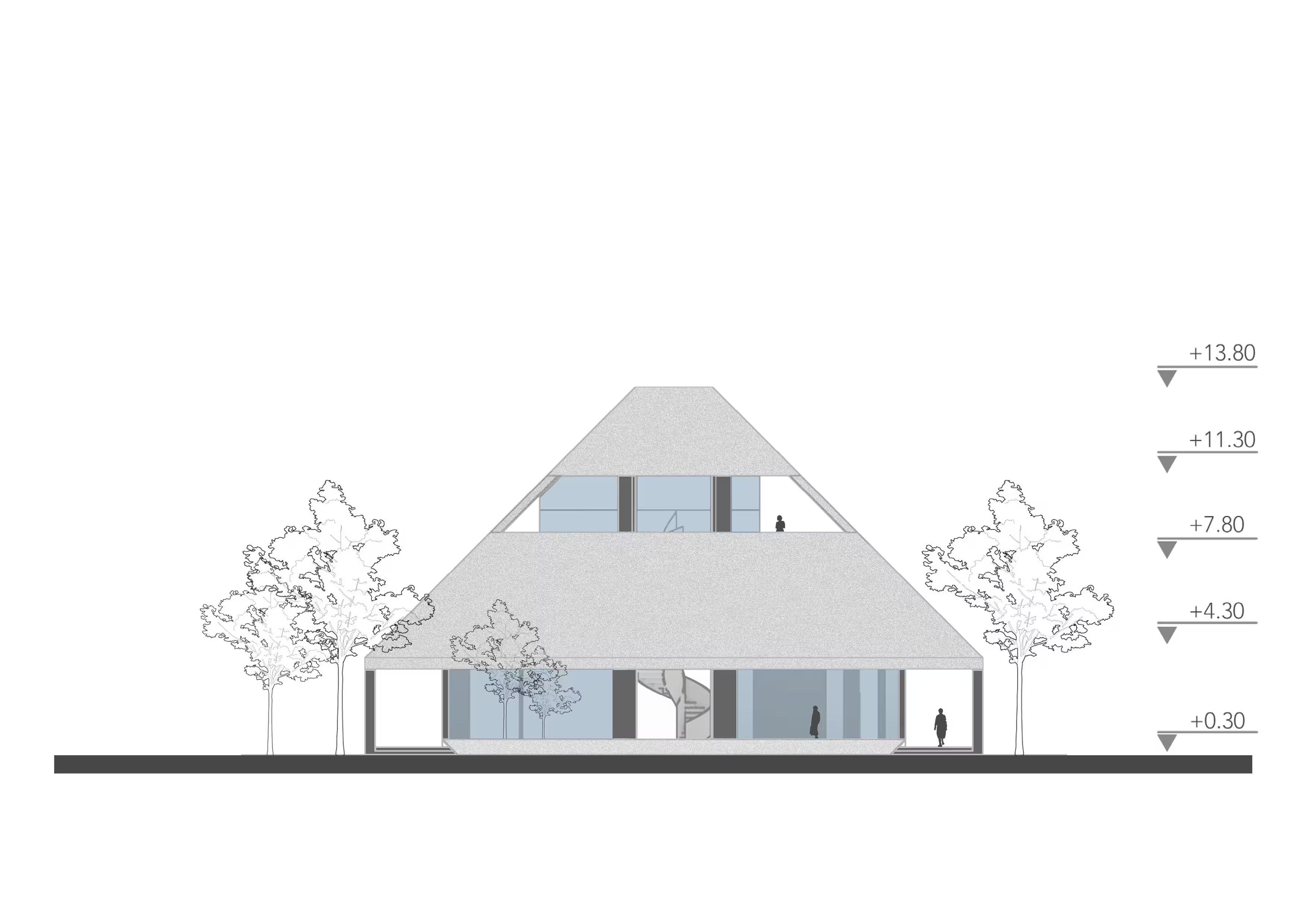
Elevated above the ground on piles—like many traditional homes in the region—Gilak not only avoids ground moisture but allows air to flow beneath it. The space between the earth and the structure breathes. This passive strategy recalls double-skin architectural elements, where air circulates between two layers to balance internal climate.
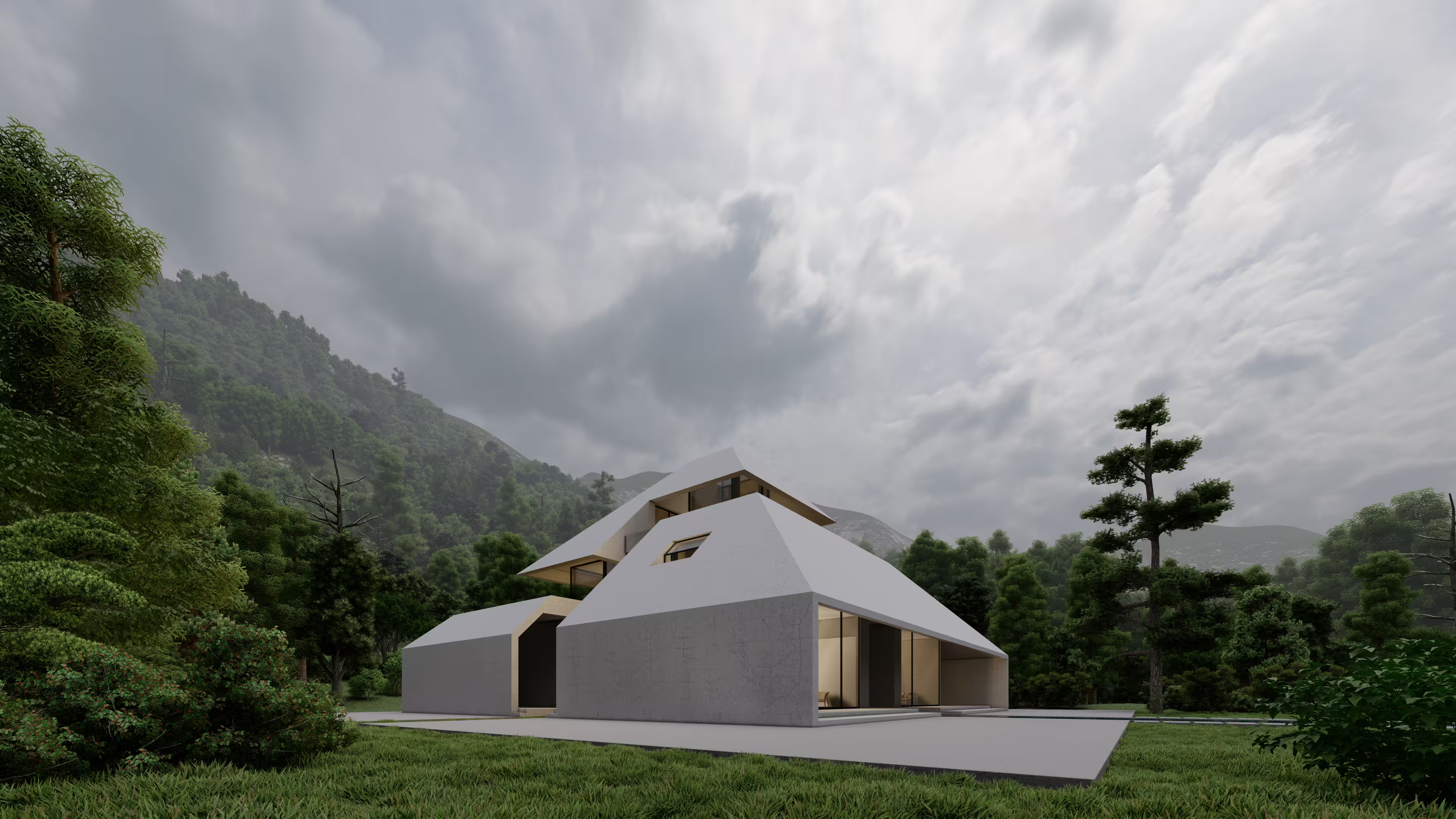
The roof form, too, belongs to the northern vernacular: a continuous, four-sloped surface—familiar from Galeshi roofs—designed to welcome the relentless rain. It gathers water from all directions and, after initial filtration, channels it to surrounding gutters and underground tanks. This sustainable system stores water for drier seasons, providing for irrigation, washing, and more.
The geometry of the roof, with its carefully modulated asymmetries, speaks a contemporary language—maintaining meaning through a modern voice. Some parts of its skin can also host solar panels, integrating traditional logic with future-forward thinking.
Gilak is a deep, modern reinterpretation of a local typology in a humid climate. Inspired by time-tested responses, it is built to endure. In this being, every line of the plan and break in the roof speaks to climate; every opening is a trace of vernacular wisdom; and every void, like the central hollow, offers room for calm, comfort, and life itself…