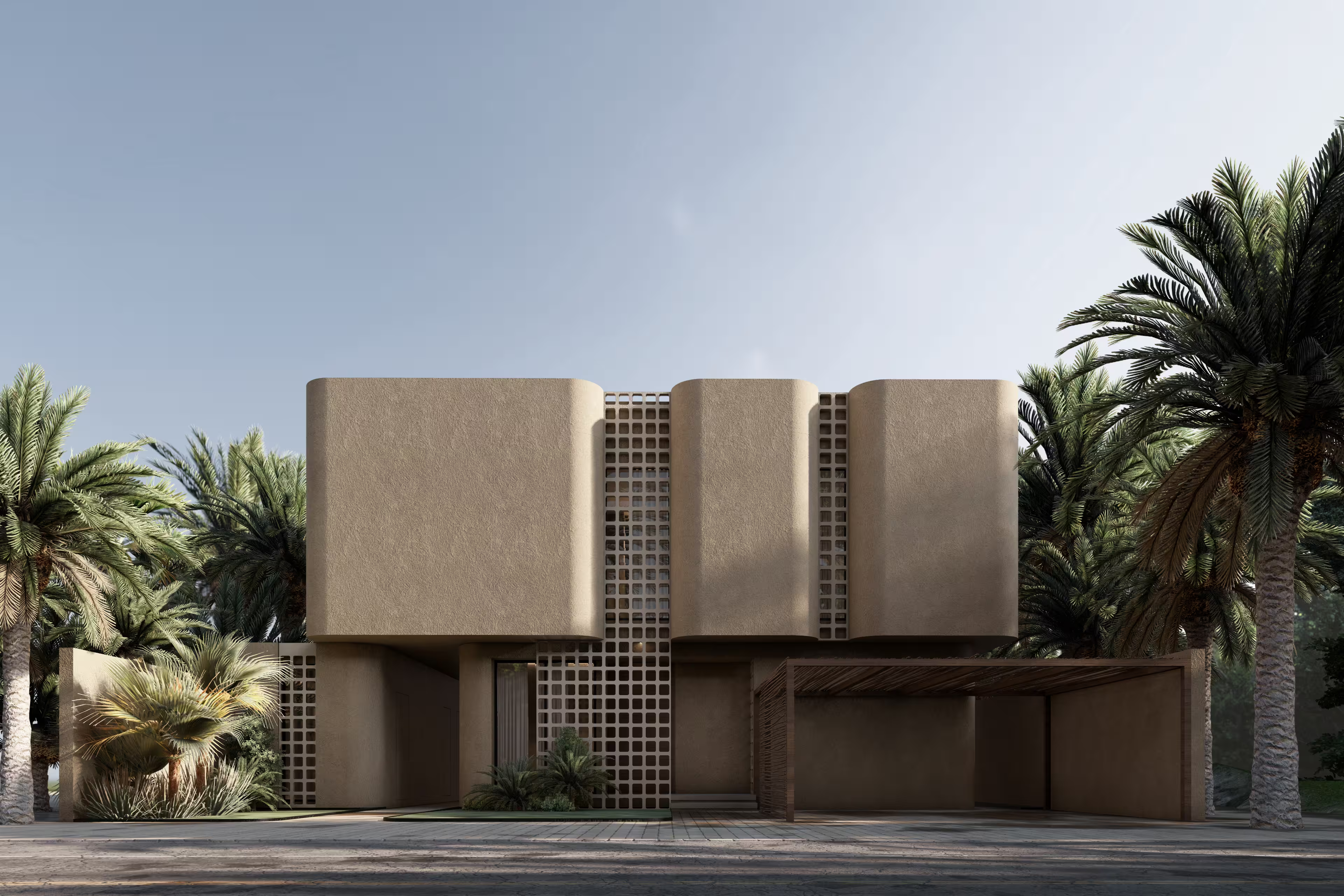
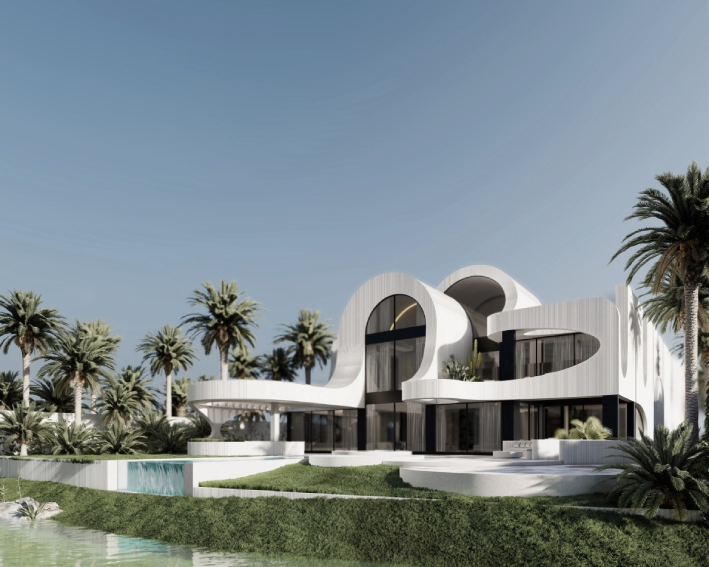
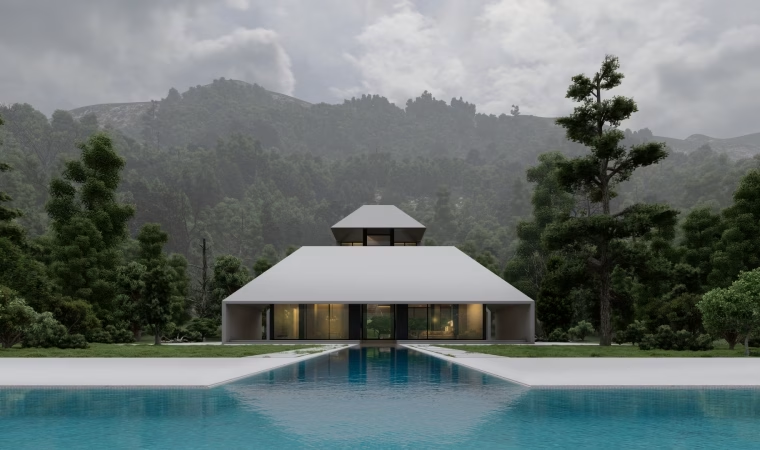
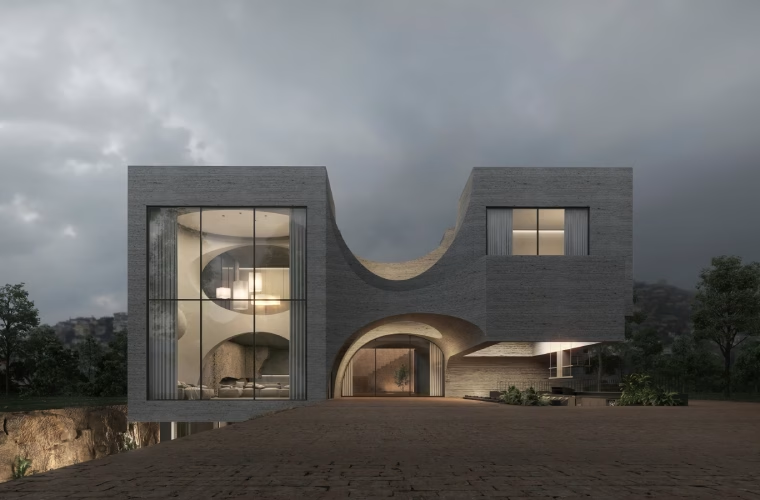
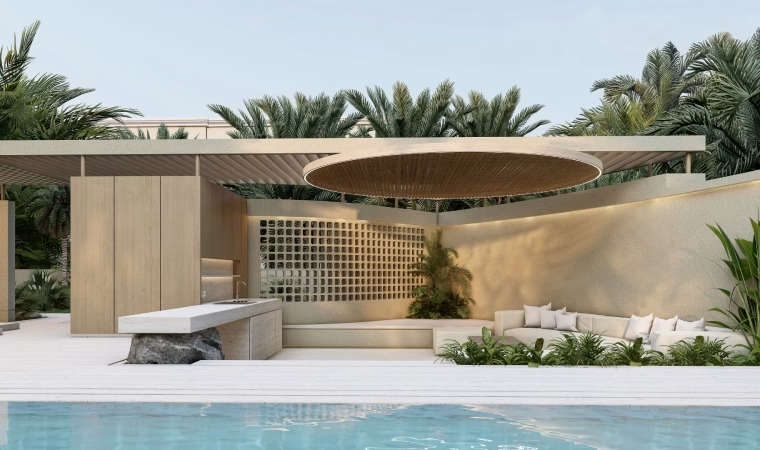
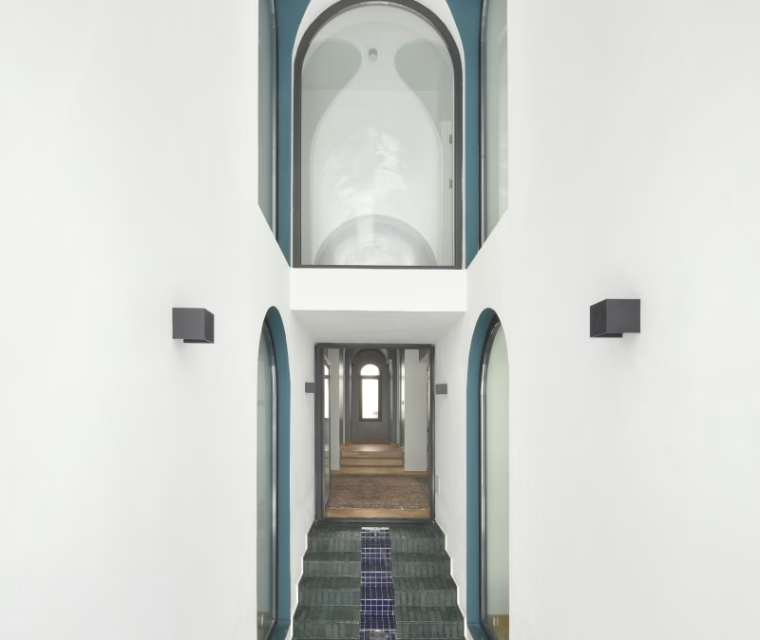
In a land where the warmth of the desert air meets the humid breezes of the Gulf, and where sunlight has long shaped architecture for centuries, a home has always been more than shelter; it is a mirror of climate-conscious wisdom and cultural depth.
Rooted in the shadows, wind towers and the patience of earthen walls, the architectural language of the UAE walks a delicate line between heritage and modernity, standing with its feet firmly in the soil of identity and familial unity, while looking forward to a sustainable tomorrow.
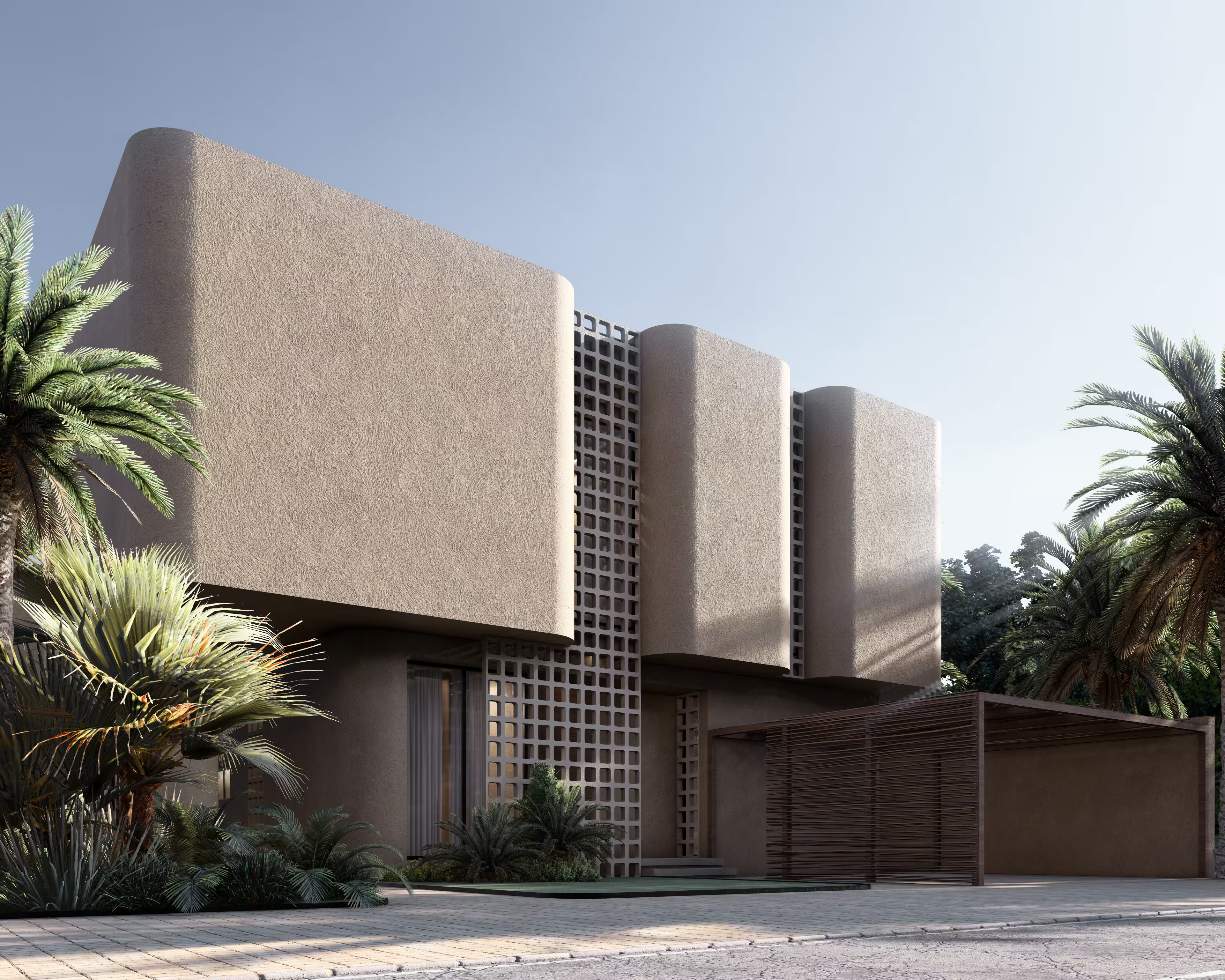
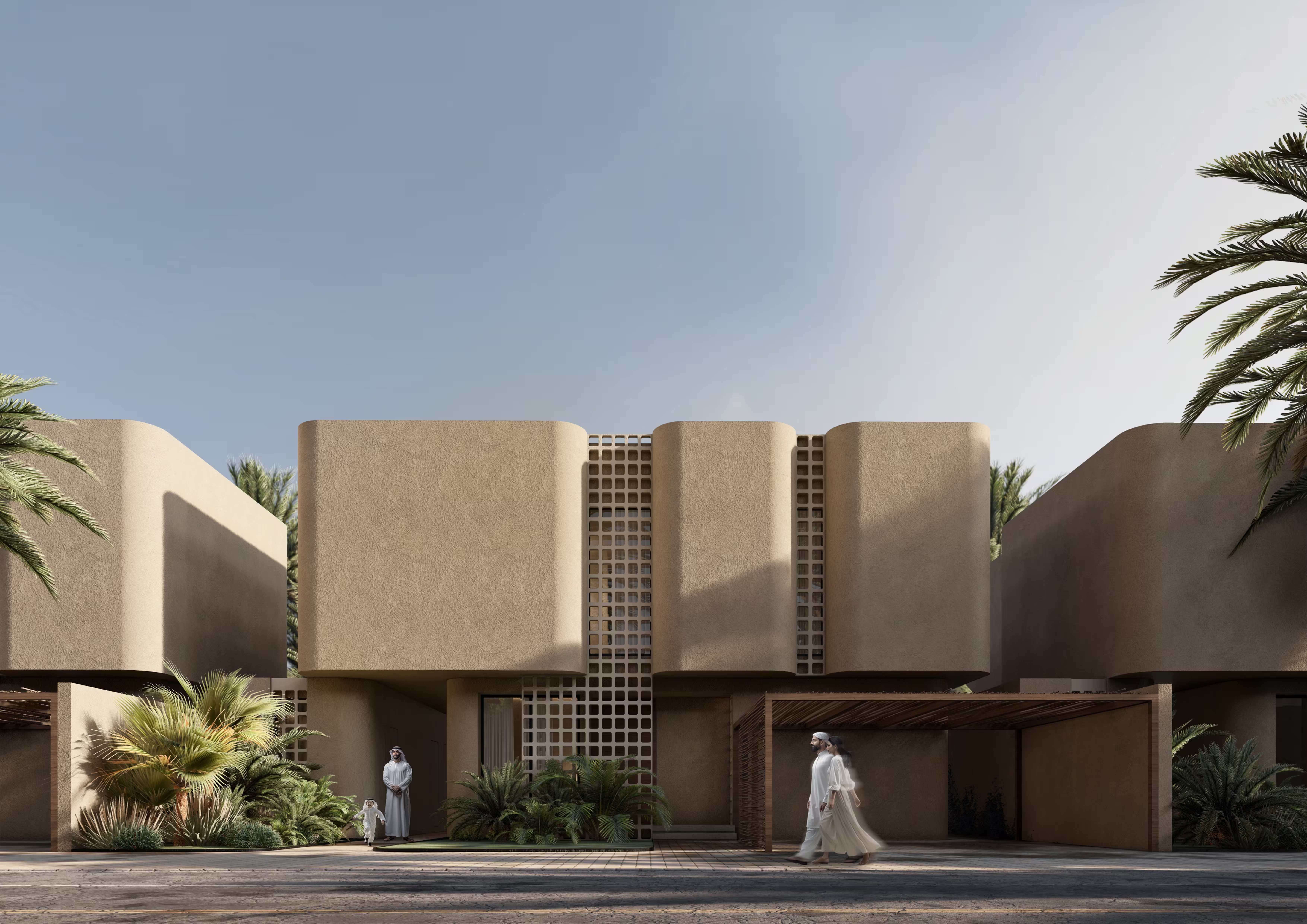
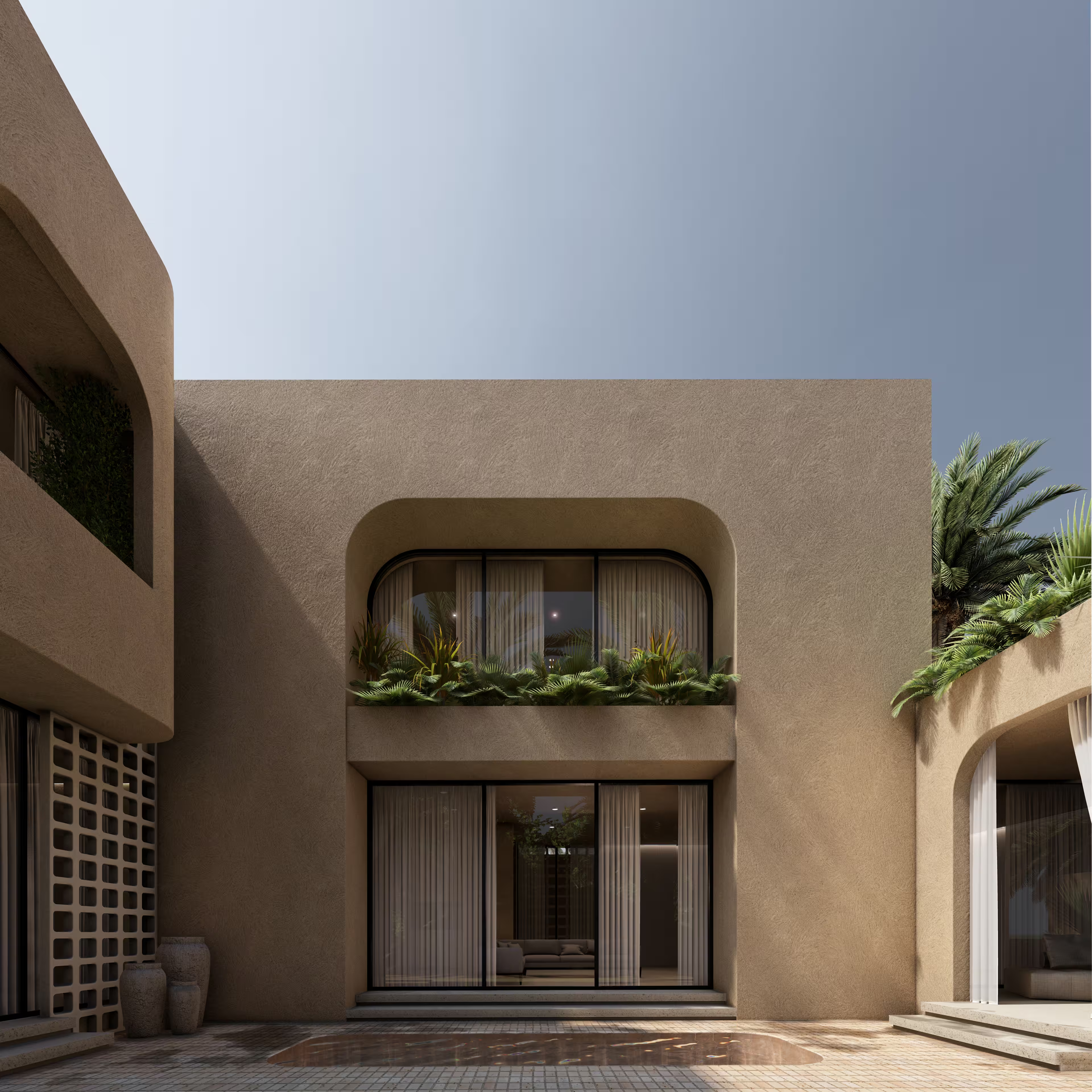
Our project is born from this spirit — a response to heat, aridity, and the need for both intimacy and communal life. Through form, material, light, orchestrating a spatial harmony of Centrality, Privacy, and Hierarchy — it reimagines traditional values with a contemporary lens.
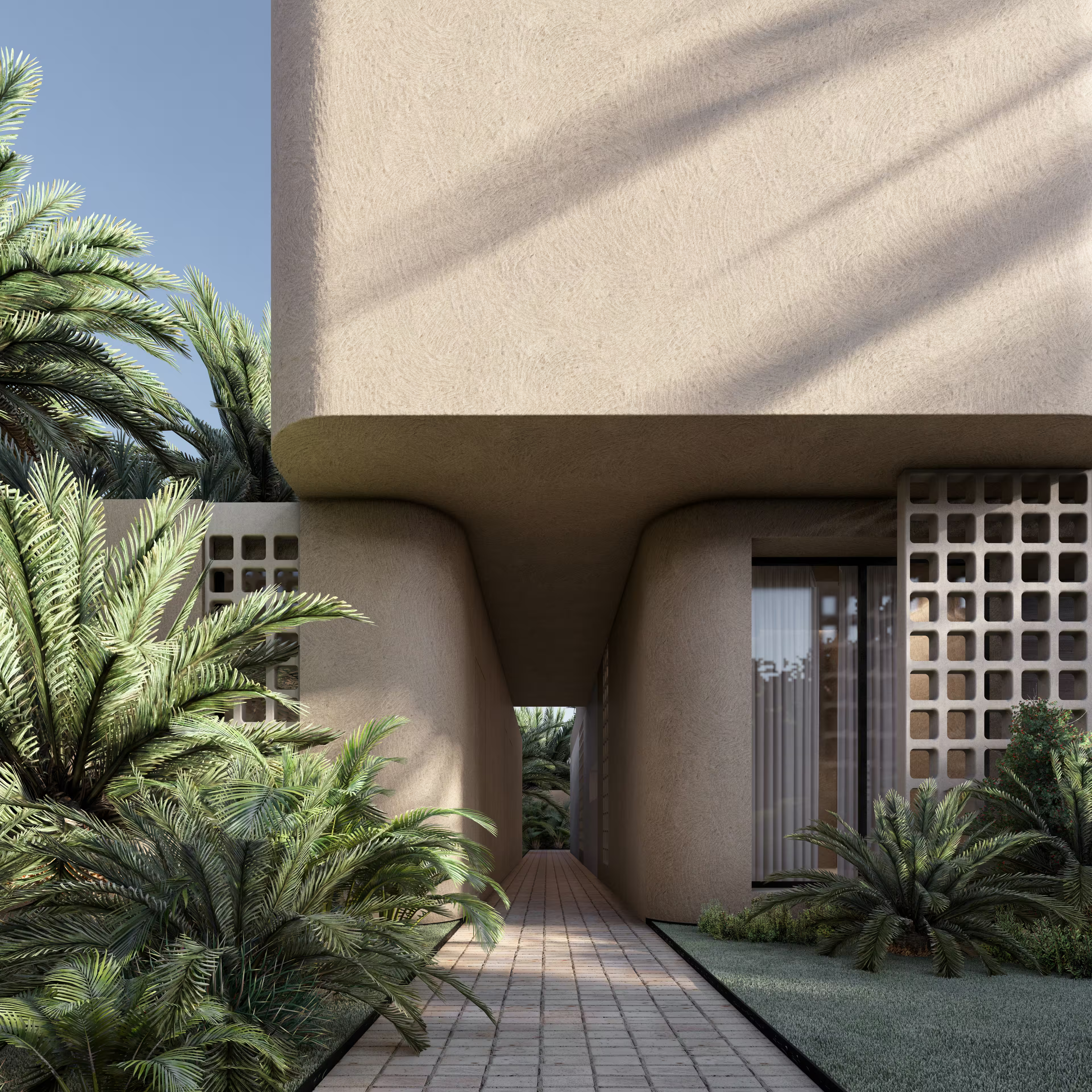
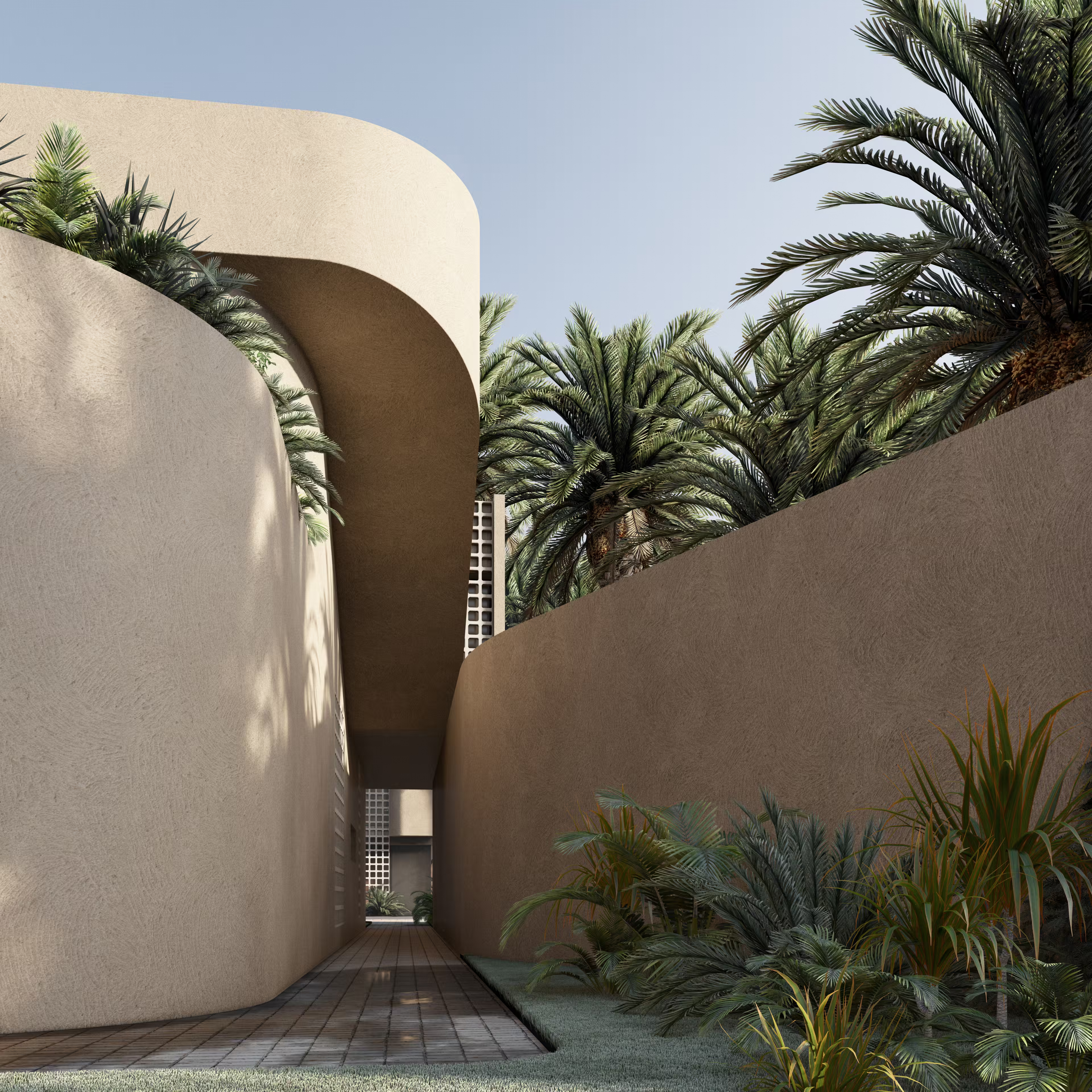
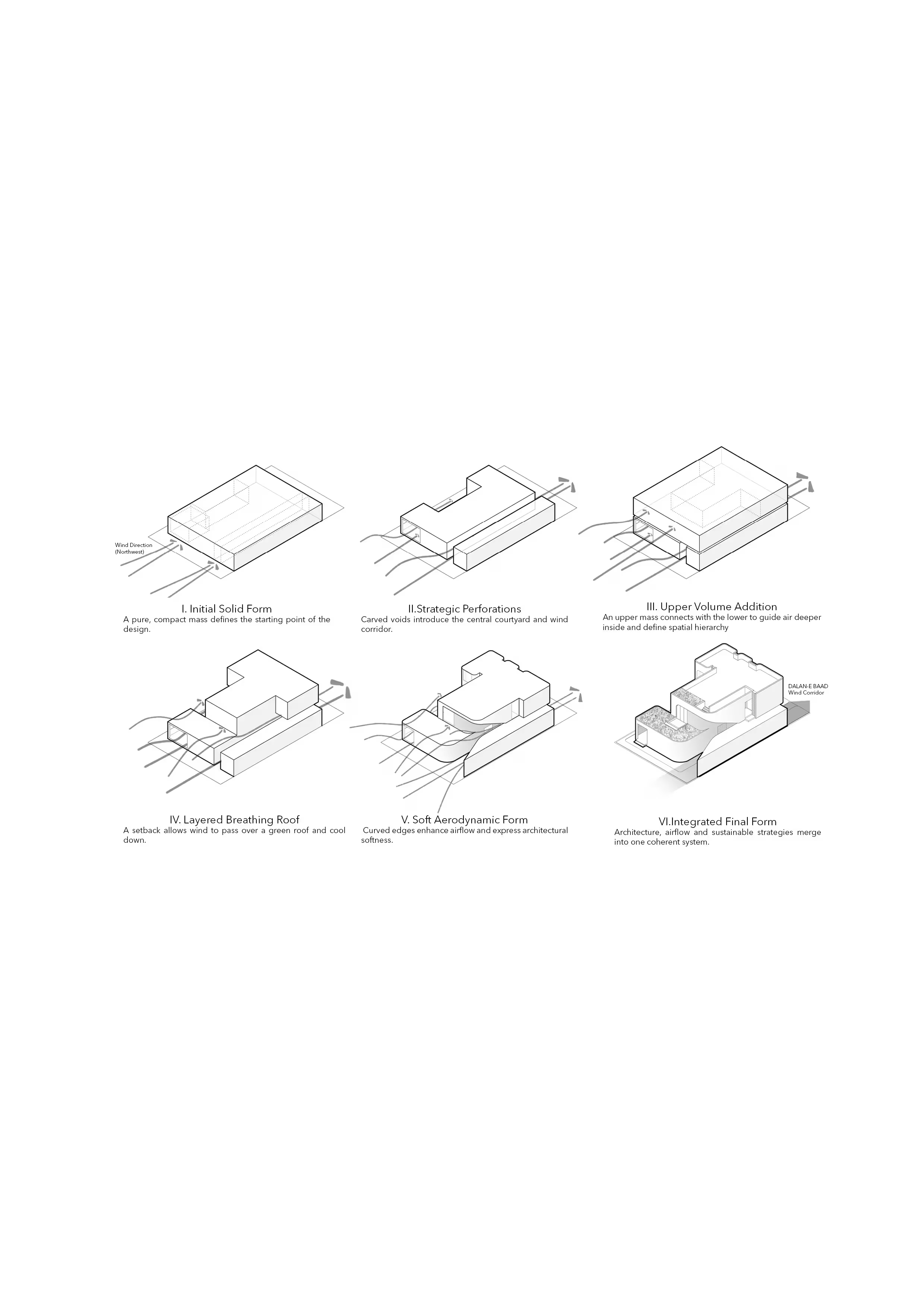
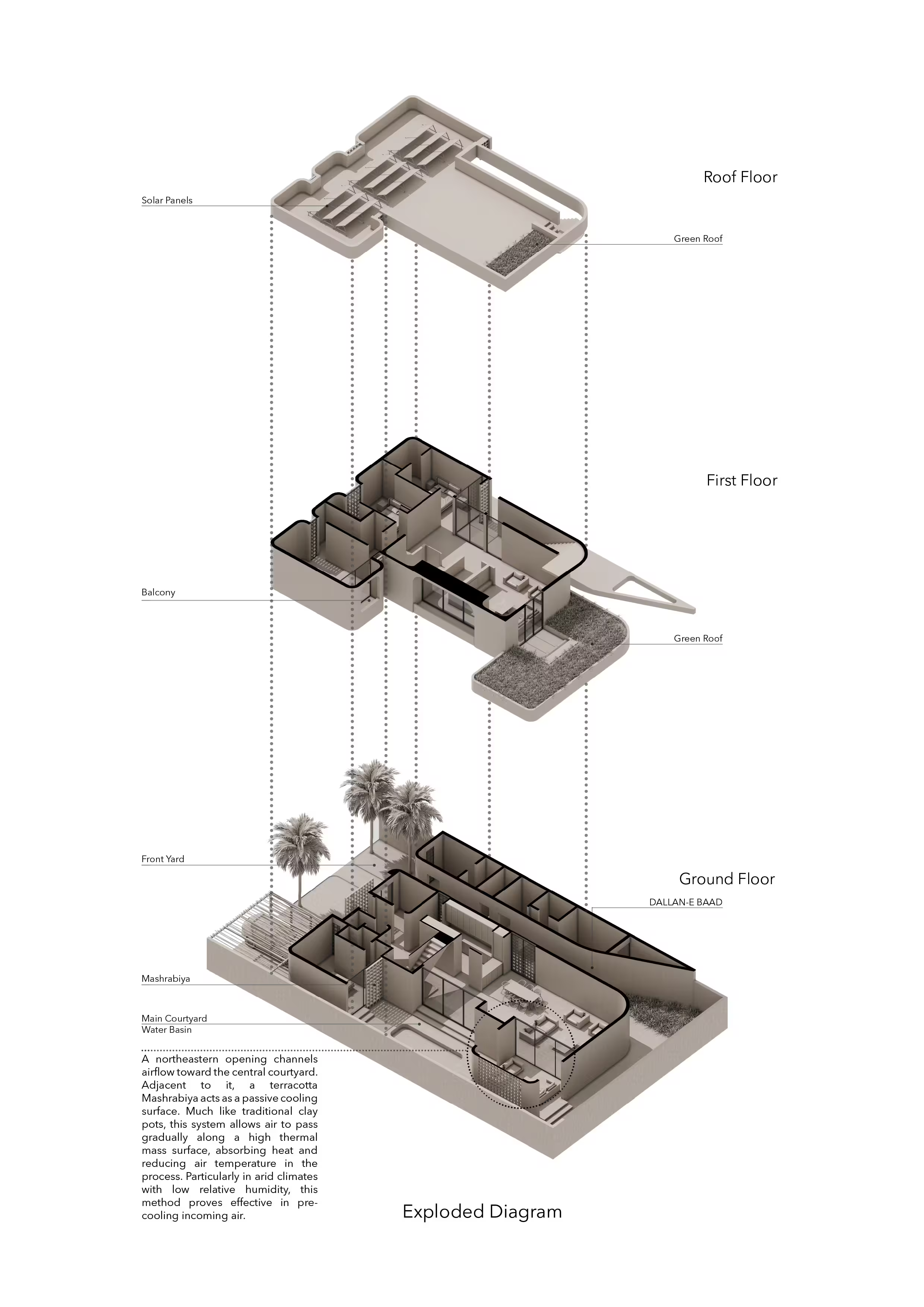
But at the heart of it all, breathes the “Dalan-e-Baad” (Wind Passage) — a vital artery of airflow, drawing cooled air from the courtyard and channeling it through the home in a continuous, whispering breeze, based on the “negative pressure law”. It replaces stillness with motion, harshness with grace.
This is a house where wind moves with purpose, light enters with grace, and every line of form tries to have an answer to a lived need — rooted in earth, attuned to air, and open to tomorrow.
Principles of Spatial Harmony
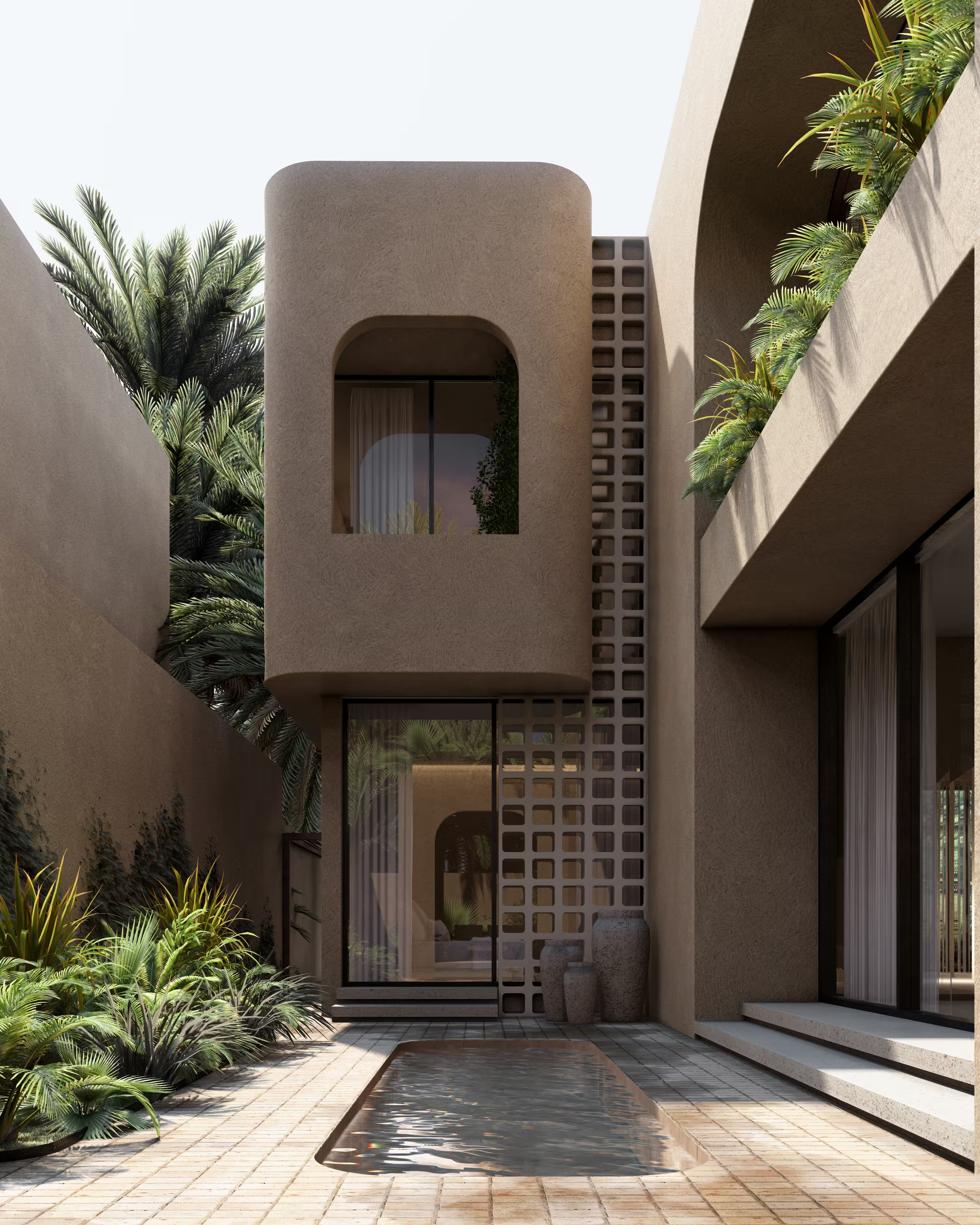
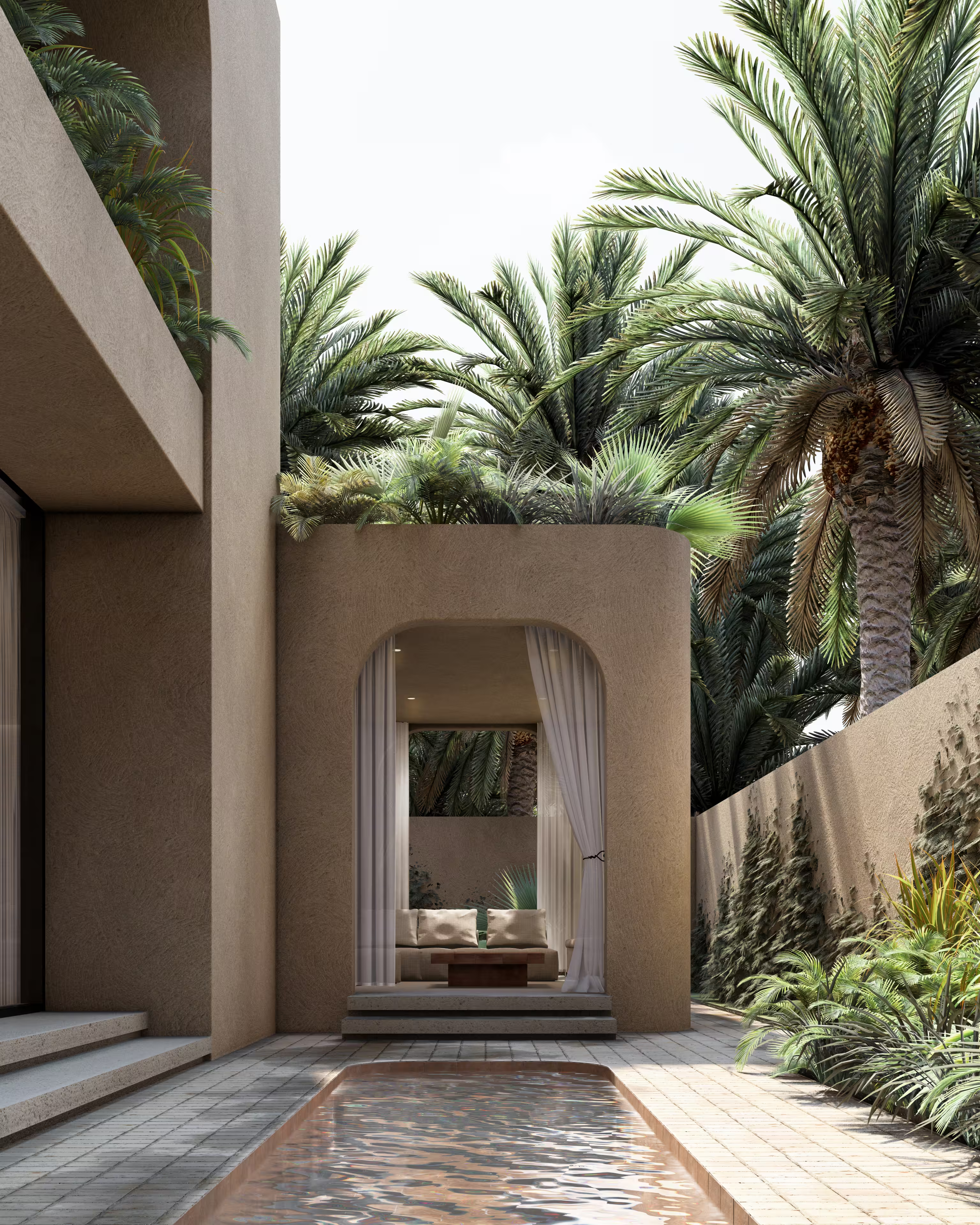
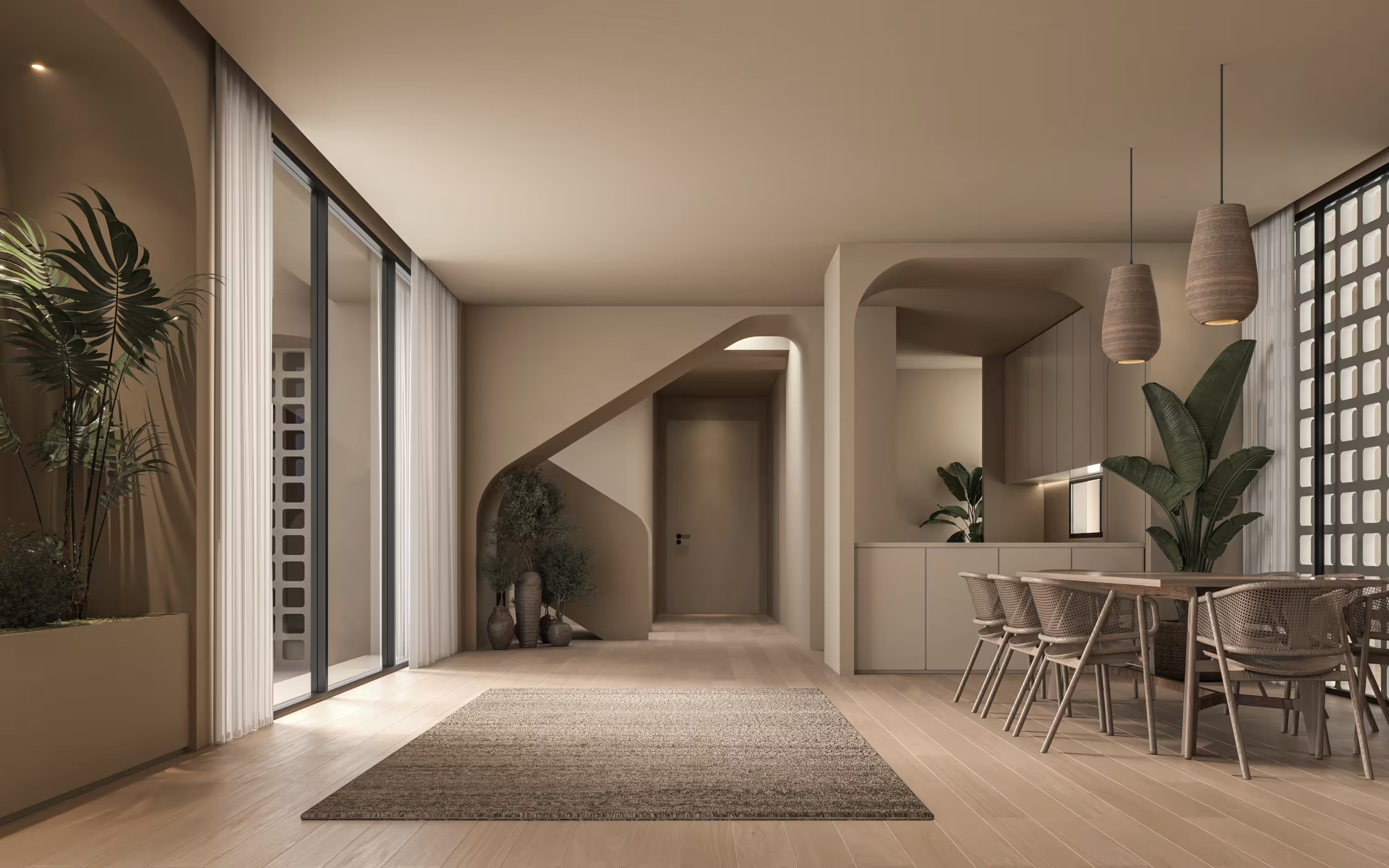
The spatial composition of the house is grounded in three timeless principles: Centrality, and Privacy and Hierarchy. Each space is placed with quiet intention — from public thresholds to secluded retreats, all unfold within a calm and coherent order. Circulation paths flow without repetition or confusion, leading inward, as movement in a mosque carries meaning toward its heart. At the center, embraced by enclosing forms, a tranquil courtyard anchors the home — a space of stillness, reflection, and profound privacy.
Centrality begins at the entrance and extends seamlessly along a guiding axis, aligning key semi-public spaces — the study, guest room, and dining area — in a coherent flow. As this axis encounters the private zone, it folds gently, continuing horizontally to the upper floor, where bedrooms reach their maximum privacy.
Privacy is articulated both externally and internally. Double-layered facades, shading devices, and an enclosed courtyard filter views and regulate comfort. Inside, spatial orientation and partitioning ensure that no zone is exposed — guest and resident paths remain distinct, and soft transitions buffer social and intimate areas.
Hierarchy is established from the very threshold, where spaces unfold in a deliberate sequence — from public to semi-private to intimate. Each zone is positioned with clarity and intent, reinforcing a spatial logic that supports both movement and meaning.
Passive Cooling Strategies
The project employs three synergistic mechanisms to achieve long-term thermal comfort.
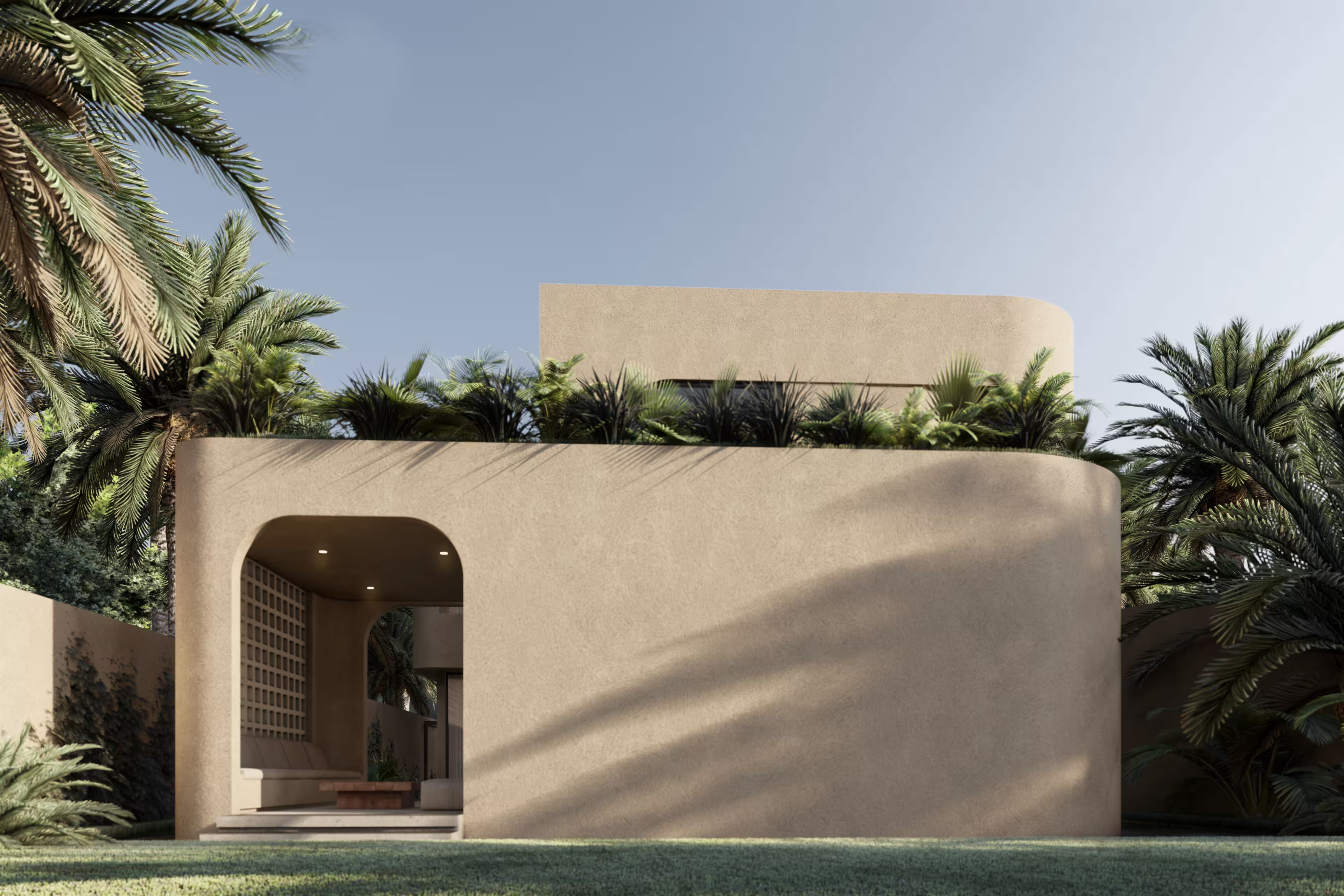
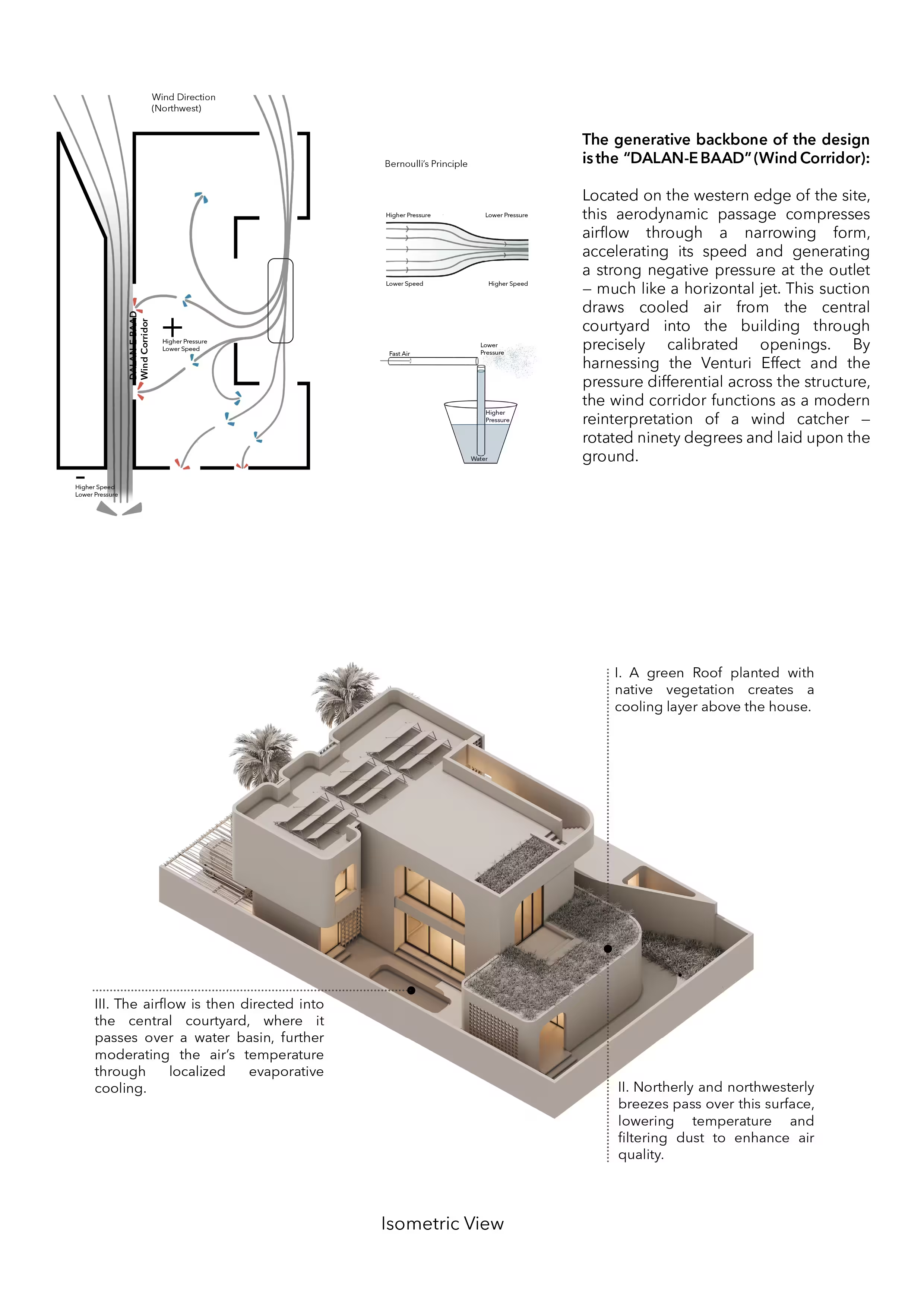
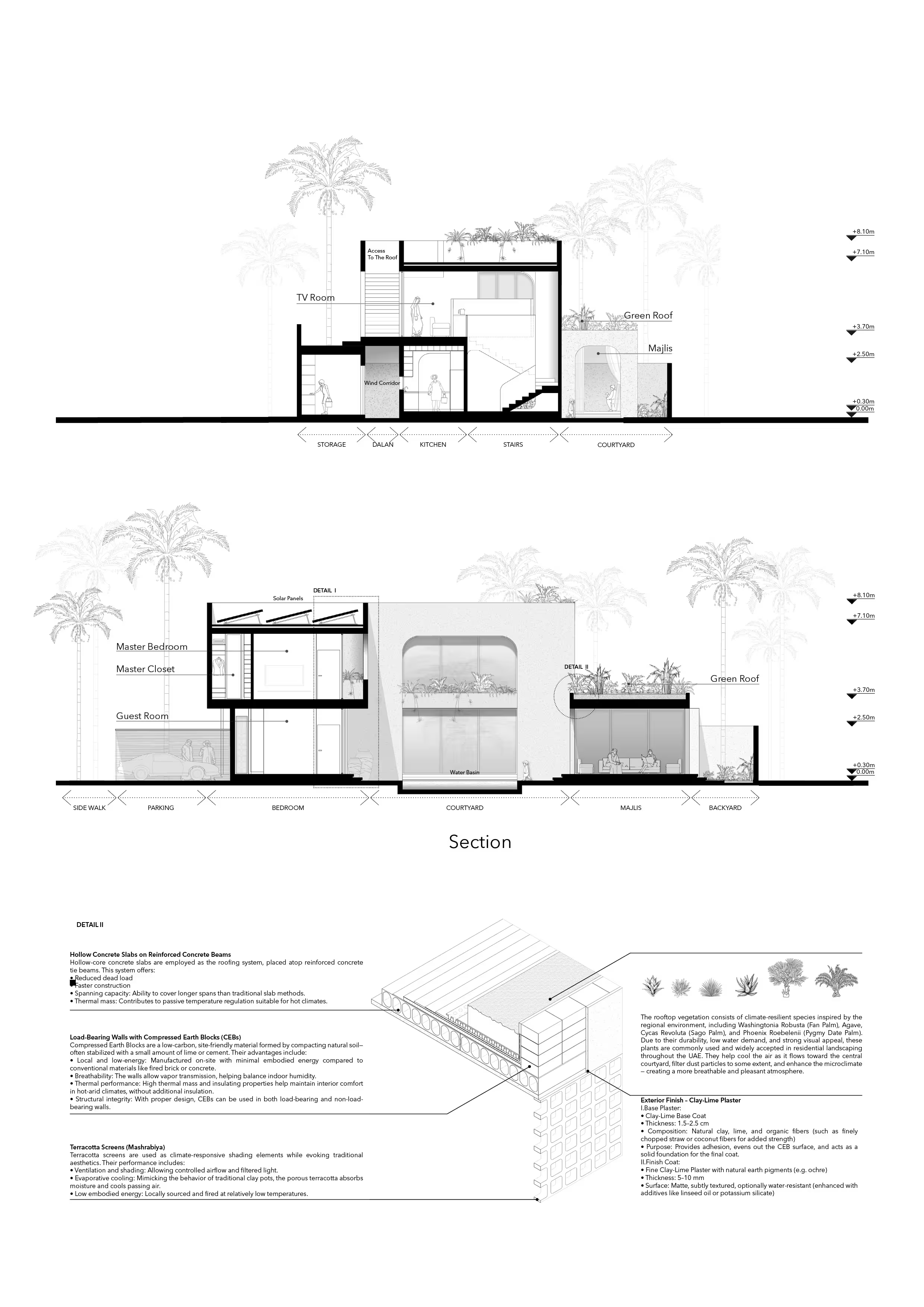
First, a green roof planted with native vegetation creates a cooling layer above the house. Northerly and northwesterly breezes pass over this surface, lowering temperature and filtering dust to enhance air quality. The airflow is then directed into the central courtyard, where it passes over a water basin, further moderating the air’s temperature through localized evaporative cooling.
Second, a northeastern opening channels airflow toward the central courtyard. Adjacent to it, a terracotta Mashrabiya acts as a passive cooling surface. Much like traditional clay jars, this system allows air to pass gradually along a high thermal mass surface, absorbing heat and reducing air temperature in the process. Particularly in arid climates with low relative humidity, this method proves effective in pre-cooling incoming air.
The generative backbone of the design — is the “Dalan-e-Baad” (Wind Passage):
Located on the western edge of the site, this aerodynamic passage compresses airflow through a narrowing form, accelerating its speed and generating a strong negative pressure at the outlet — much like a horizontal jet. This suction draws cooled air from the central courtyard into the building through precisely calibrated openings. By harnessing the Venturi Effect and the pressure differential across the structure, the wind corridor functions as a modern reinterpretation of a wind catcher — rotated ninety degrees and laid upon the ground.
Beyond passive ventilation, the corridor also serves three additional functions:
– A dedicated service route for staff circulation;
– Direct access of Majlis to the separated kitchen;
– Provision of controlled natural light to a shaded, ventilated interior passage that remains alive through air and shadow.
Material Logic and Structural Strategy
Load-Bearing Walls with Compressed Earth Blocks (CEBs)
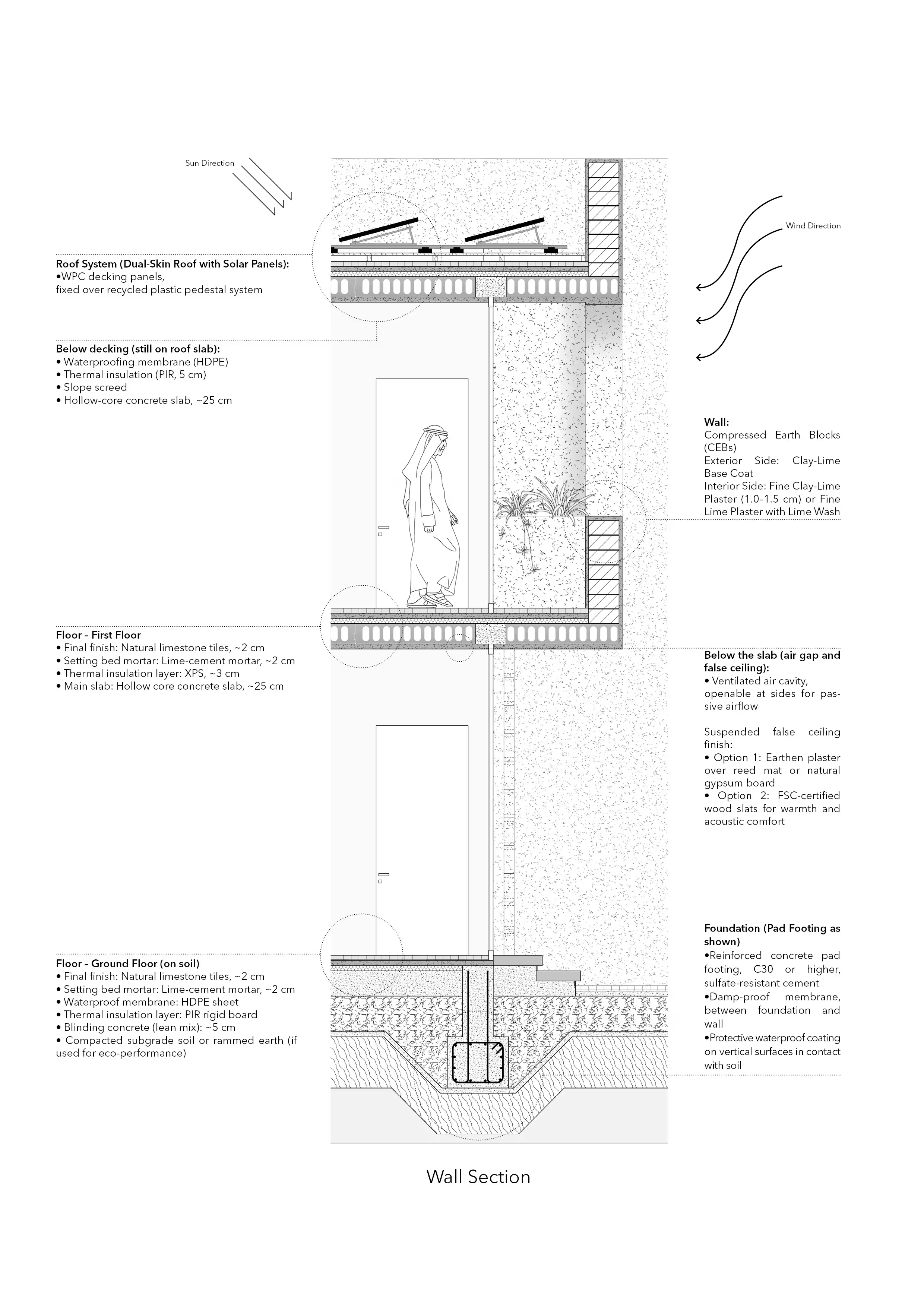
Compressed Earth Blocks are a low-carbon, site-friendly material formed by compacting natural soil—often stabilized with a small amount of lime or cement. Their advantages include:
- Local and low-energy: Manufactured on-site with minimal embodied energy compared to conventional materials like fired brick or concrete.
- Breathability: The walls allow vapor transmission, helping balance indoor humidity.
- Thermal performance: High thermal mass and insulating properties help maintain interior comfort in hot-arid climates, without additional insulation.
- Structural integrity: With proper design, CEBs can be used in both load-bearing and non-load-bearing walls.
Hollow Concrete Slabs on Reinforced Concrete Beams
Hollow-core concrete slabs are employed as the roofing system, placed atop reinforced concrete tie beams. This system offers:
- Reduced dead load
- Faster construction
- Spanning capacity: Ability to cover longer spans than traditional slab methods.
- Thermal mass: Contributes to passive temperature regulation suitable for hot climates.
Terracotta Screens (Mashrabiya)
Terracotta screens are used as climate-responsive shading elements while evoking traditional aesthetics. Their performance includes:
- Ventilation and shading: Allowing controlled airflow and filtered light.
- Evaporative cooling: Mimicking the behavior of traditional earthenware pots, the porous terracotta absorbs moisture and cools passing air.
- Low embodied energy: Locally sourced and fired at relatively low temperatures.
Natural Clay-Lime and Lime-Based Plasters Wall Finishing
- Exterior Finish – Clay-Lime Plaster
- Base Plaster:
- Clay-Lime Base Coat
- Thickness: 1.5–2.5 cm
- Composition: Natural clay, lime, and organic fibers (such as finely chopped straw or coconut fibers for added strength)
- Purpose: Provides adhesion, evens out the CEB surface, and acts as a solid foundation for the final coat.
- Finish Coat:
- Fine Clay-Lime Plaster with natural earth pigments (e.g. ochre)
- Thickness: 5–10 mm
- Surface: Matte, subtly textured, optionally water-resistant (enhanced with additives like linseed oil or potassium silicate)
- Interior Natural Walls – Fine Clay-Lime Plaster (1.0–1.5 cm)
A finer, smoother version of the exterior plaster, free from synthetic additives. Ensures healthy indoor air and ease of maintenance.
- Interior White Finish – Fine Lime Plaster with Lime Wash
A thin coat of fine lime plaster finished with a natural lime wash. This breathable, antibacterial surface resists mold and delivers a clean, soft-white appearance without synthetic paints.